Our Pick: Natrol
Check price on Amazon →Melatonin for Dogs: The Owner's Guide to What the Vet Decides and What the Label Says
A veterinarian decides whether melatonin is appropriate for your dog and at what amount, and that sentence is the whole answer to "can I give my dog melatonin." This guide covers what comes after the vet says yes or before you ask: what the dog products actually are (calming chews from NaturVet with melatonin in the blend, and plain 3 and 6 mg tablets from K9 Select), why the human gummies in your cabinet are the wrong thing to hand a dog (xylitol in some sugar-free products is toxic to dogs, adult amounts are sized for adults, and a fruit-flavored jar is a hazard), what the labels state and do not, how the weight chart works and why the vet's direction overrides it, and what to do if a dog gets into a jar. Every product named is a verified Amazon listing; no product is a recommendation for your dog.
By The Family & Pets Desk2026-09-05~10 min read Ranked on verified label facts, never box claimsHow we research
Can you give a dog melatonin? Only if a veterinarian says so, and only the product and amount the veterinarian names. That is not a hedge. A dog's weight, age, breed, health and medications change the answer, the things owners reach for melatonin to address (storms, fireworks, travel, grooming, a nighttime pacing habit, a coat that is thinning) can have causes a supplement would mask, and melatonin can interact with medications a dog may already be on. The veterinarian sorts all of that in one conversation. This page explains the shelf so you arrive at that conversation knowing what the products are, and it repeats the veterinarian's role in every section because it is the only advice on the page that applies to your dog.
The second rule is about one ingredient. Xylitol, a sweetener used in some sugar-free human melatonin gummies and fast-dissolve tablets and in many other human products, is toxic to dogs. A human melatonin product is never the right thing to hand a dog without reading the other-ingredients line and asking the veterinarian, and the sugar-free ones are the specific danger. The products made for dogs do not carry that risk; the adult jar in your own cabinet might. ASPCA Animal Poison Control is 888-426-4435, and a dog that has eaten any human melatonin product is a call.
What follows: what the dog products are and what their labels state, why human products are the wrong shortcut, how the weight-directed label works and why the vet overrides it, what the makers market these chews for and what that phrase does and does not mean, what owners consistently report, and storage. Every product named is a verified Amazon listing from a pet-supplement maker with the amount and count as the listing title states them and the price verified via the Amazon Creators API on September 5, 2026. We are a verification desk, not veterinarians; the ranked shelf is on best melatonin for dogs, and nothing on either page is veterinary advice.
The short version
- A veterinarian decides whether melatonin is appropriate for a particular dog and at what amount. The weight chart on the label is the maker's guidance; the vet's direction supersedes it.
- Xylitol, in some sugar-free human melatonin gummies and tablets, is toxic to dogs. Never give a dog a human product without reading the other-ingredients line and asking the vet. ASPCA Animal Poison Control: 888-426-4435.
- Dog products in our catalog: NaturVet Quiet Moments calming chews with melatonin (70, 180, 240 count; melatonin per chew not stated in the title) and K9 Select tablets that state 3 mg (beef or peanut butter, 120 count) or 6 mg (beef, 90 count).
- Makers market these chews for calming during storms, fireworks, travel and grooming. "Marketed for" is the honest phrase; no outcome is promised, and the vet decides whether the situation calls for a supplement at all.
- Owners most consistently report drowsiness and, less often, stomach upset. Any reaction is a call to the veterinarian. Store the jar like medication, away from dogs and children.
Our top-rated melatonin
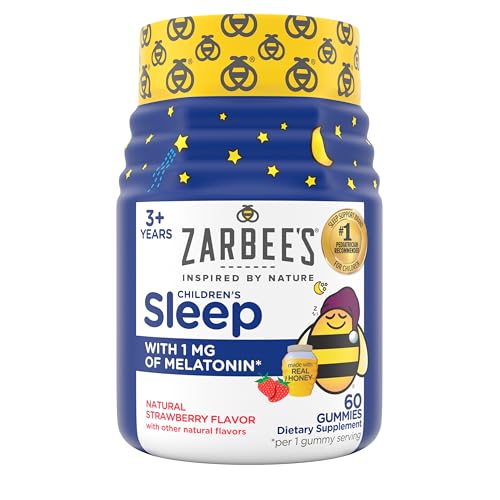
Whatever you decide, these are the picks we recommend across every format, ranked on verified label facts and cost per night. Live price check on each.


As an Amazon Associate we earn from qualifying purchases, at no cost to you.
The bedtime kit
The six things a parent or pet owner actually reaches for: the lowest-dose gummies and chewables, a melatonin-free option, and the calming chews vets are asked about most. Ask a pediatrician or veterinarian first. Prices are approximate at time of writing.



The veterinarian decides, and what that conversation covers
Every page in this desk starts with the same sentence and this one is no exception: a veterinarian decides whether melatonin is appropriate for your dog and at what amount. The reasons are practical. A dog's size changes the amount by an order of magnitude between a terrier and a mastiff; the label's weight chart is the maker's attempt at that arithmetic, and the vet's direction, which accounts for the dog in front of them, supersedes it. A dog's age and health change the answer too; older dogs, dogs with liver or kidney conditions, and dogs on medication are all cases where a supplement that seems harmless can interact with something. And the reason an owner reaches for melatonin, whether it is a dog that shakes through storms, paces at 2 a.m., or is losing coat, is a symptom the vet will want to understand before anything is given for it, because a supplement that quiets the symptom can hide the cause.
The conversation typically covers what the owner has noticed and when, the dog's weight, any medications and other supplements, and whether the situation is occasional (fireworks on one night a year) or ongoing (nightly restlessness). If the vet agrees a melatonin product is appropriate, they will name an amount, a product or product type, a timing, and how long to use it before checking back. Write those down, the same way the kids safety guide tells parents to. If the vet does not agree, or wants to look at something first, the shelf waits.
What the dog products are, and what their labels state
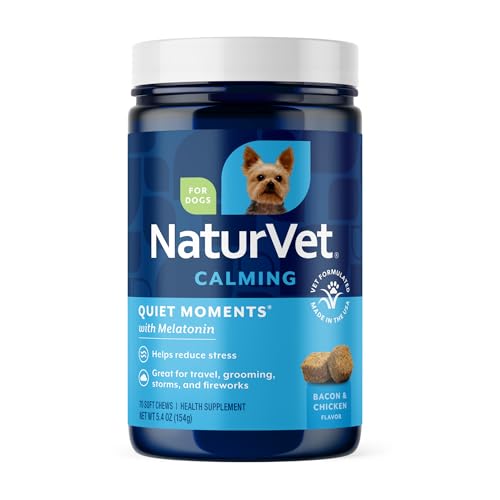
Two pet-supplement makers cover the dog melatonin shelf in our catalog, and they take different approaches. NaturVet Quiet Moments is a calming chew with melatonin in a blend, sold in 70 count ($16.97, verified via the Amazon Creators API on September 5, 2026), 180 count ($22.65) and 240 count ($35.99). The listing titles state "Calming with Melatonin" and the count; they do not state the melatonin per chew or the other ingredients, so this page does not either. The label on the jar does, and the vet will want to see it, because a calming blend by definition contains things besides melatonin.
K9 Select sells melatonin as a single-ingredient tablet with the amount in the title: 3 mg beef chewable tablets, 120 count ($17.99), 3 mg peanut butter tablets, 120 count ($16.99), and 6 mg beef chewable tablets, 90 count ($20.99). Because the amount is on the title, a vet who names a milligram figure can match it directly, and the per-tablet cost can be computed: $17.99 divided by 120 is about 15 cents a tablet for the 3 mg beef. Whether a dog gets one tablet or a fraction is the vet's call and the weight chart's suggestion; a per-tablet figure is not a per-night figure for a dog.
The practical difference between the two makers, for the vet conversation: NaturVet is a blend marketed as a calming aid with melatonin as one component; K9 Select is melatonin and a flavor. A vet who wants to know exactly how much melatonin a dog is getting, and nothing else, has an easier time with the K9 Select label. A vet who is comfortable with a calming blend may point at NaturVet, which is the more widely stocked of the two. Best melatonin for dogs ranks the six listings on label facts and cost per piece.
Why the human gummies in your cabinet are the wrong shortcut
The temptation is obvious: there is a jar of melatonin gummies in the bathroom, the dog is shaking through a thunderstorm, and the internet says melatonin is fine for dogs. Three things are wrong with the shortcut, in order of how badly they can go. Xylitol. Some sugar-free human melatonin gummies and fast-dissolve tablets use sugar alcohols as the sweetener, and xylitol is one of them; xylitol is toxic to dogs at small amounts and a jar of sugar-free gummies is a genuine emergency if a dog gets into it, melatonin aside. The listing titles in our catalog that say sugar-free do not say which sweetener, so the other-ingredients line on the label is the only place to check, and the safe assumption for a dog is not to give it. The amount. Adult human gummies commonly deliver 5 to 10 mg per serving and are sized for an adult; a dog's amount is set by weight and by the vet, and a human gummy is a fixed amount that may be several times what a small dog would be directed. The jar. A fruit-flavored gummy is designed to be wanted, and a dog that likes one will eat the jar if it can reach it.
Products made for dogs are the answer to all three: they are not sugar-free human confections, their labels direct by weight, and their flavors are beef, peanut butter or a chew a dog treats as a treat rather than a candy. Read their other-ingredients line anyway; the veterinarian will. That does not make them safe to give without a vet; it makes them the right thing to ask the vet about. If a vet does direct a human product for a specific reason, that is the vet's decision with the label in hand, and it is not something an owner should extrapolate from.
How the weight-directed label works, and why the vet overrides it
Pet-supplement labels direct by the dog's weight, typically as a small table: so many chews or tablets, or fractions of one, for dogs up to one weight, more for the next band, and so on. It is the maker's arithmetic for a molecule whose amount scales with body size, and it is a reasonable starting point for a conversation. It is not an instruction for your dog, for three reasons. The maker does not know your dog's age, health or medications. The table cannot tell whether the situation is one night of fireworks or every night for a year. And the bands are wide; a dog at the bottom of a weight band and a dog at the top are directed the same amount.
The vet resolves all three, and may name an amount that differs from the chart, a fraction of a tablet, a different timing, or a different product. Follow the vet. Where the chart and the vet agree, follow both. Where the vet has not been asked, the chart is a reason to ask rather than a permission to proceed. One more point that owners often miss: for a single-ingredient tablet like K9 Select, the milligram figure on the title is per tablet, so a dog directed half a tablet of the 3 mg is getting 1.5 mg; for a blend like NaturVet, the melatonin per chew is on the label, not the title, and a vet will want that number before naming a count.
Timing follows the same logic. Makers direct their calming chews a set period before the stressful event; a vet may name a different lead time or direct nightly use for a period. The general human guidance that lower amounts are favored and that more is not better has no direct dog equivalent this page can cite, and we will not invent one; the vet's amount is the amount.
What the makers market these products for, and what that phrase means
NaturVet markets Quiet Moments as a calming supplement, and the situations pet-supplement makers name for that category are the ones owners recognize: thunderstorms, fireworks, car travel, vet and grooming visits, separation, and boarding. K9 Select's titles say "Melatonin for Dogs," the amount, the flavor and the count, and nothing about a situation. Neither title promises an outcome, and this page does not either. "Marketed for calming" means the maker positions the product for those situations; it does not mean the product has been shown to do anything for your dog, and the honest framing is that owners of these products report what they report and a vet decides whether the situation calls for a supplement at all.
Two situations deserve a specific word because owners search for them. Nighttime restlessness in an older dog, the pacing and panting at 2 a.m., is something a vet will want to examine rather than supplement, because it has several possible causes and melatonin is not a treatment for any of them. And a thinning coat, which some owners have read is associated with melatonin use in dogs, is a veterinary question first and last; there are conditions a vet will want to rule in or out before anything is given, and an owner who gives a supplement for a coat change without that visit has delayed the answer. Fireworks and storms, the occasional-use case, are the situation most owners actually mean, and the one most vets are most comfortable discussing.
What owners consistently report, and when to call
Across the dog products in our catalog, the most consistent owner reports are drowsiness, which is expected and is the reason many owners give the product, and less often stomach upset, which is a reason to stop and call the vet. Some owners report no visible effect at the chart's amount, which is a conversation with the vet rather than a reason to give more. Dogs, like people, vary; a report from another owner's dog is not a prediction for yours.
Call the veterinarian for any reaction that worries you, for vomiting or diarrhea after a chew, for a dog that seems unusually sedated or uncoordinated, or for anything the vet did not predict. Call the veterinarian or ASPCA Animal Poison Control at 888-426-4435 immediately if a dog has eaten more than directed, has gotten into the jar, or has eaten any human melatonin product, especially a sugar-free one; have the container in hand and know how many pieces are missing. Melatonin can interact with medications a dog is already on, and a dog that starts a new prescription after a vet has agreed to melatonin should have the combination rechecked. The same interaction logic that applies to people, laid out on melatonin side effects, applies to dogs with the vet in the pharmacist's role.
Storage, cats, and the rest of the household
A jar of beef-flavored chews is a hazard in two directions. A dog that finds it will eat far past the weight chart, because a chew is a treat. A child who finds it will eat a dog supplement, and a beef chew is less of a magnet than a fruit gummy but a jar is a jar. Store it like medication, out of reach of both: a cabinet with a latch, original container, count noted. The 240-count NaturVet jar is a lot of chews in one place. Keep the human melatonin products in the house in the same cabinet for the same reasons, and keep the sugar-free ones furthest from the dog. Poison Control for a child is 1-800-222-1222; ASPCA Animal Poison Control for the dog is 888-426-4435.
Cats are a separate animal in every sense. The dog products on this page are directed for dogs; a cat gets its own product and its own veterinary conversation, and a dog's chew is not a cat's chew at a smaller count. NaturVet sells a cat version, Quiet Moments Calming Aid for Cats Plus Melatonin, 60 soft chews ($12.99), and the cat shelf is ranked on best melatonin for cats with the same veterinarian rule. Multi-pet households should keep the two jars apart and labeled.
Two last things. The melatonin dosage chart puts the human amounts side by side so an owner can see how far an adult gummy is from anything a vet would name for a small dog. And best sugar-free melatonin gummies, a page for people, is the one to read if you want to understand which human products carry the xylitol question, so that the jar furthest from the dog is the right jar.
How to bring melatonin up with your veterinarian, and what to do if they say yes
- 1
Write down what you have noticed and when
Storms, fireworks, travel, nightly pacing, a coat change: the situation, how often, and how long it has been going on. The vet will want the pattern before the product.
- 2
Bring the dog's weight, medications and other supplements
Melatonin can interact with medications, and the amount scales with weight. A photo of every label the dog currently gets is enough.
- 3
Ask whether a melatonin product is appropriate at all
The vet may want to examine something first, or may suggest something else for the situation. Accept the answer; the shelf waits.
- 4
If yes, write down the product, the amount, the timing and the duration
A specific product or product type, a milligram figure or a chew count, when to give it relative to the event or bedtime, and when to check back.
- 5
Match the label to the vet's numbers
For K9 Select the milligram figure is on the title; for NaturVet the melatonin per chew is on the jar label. Confirm the vet's amount against the label, and follow the vet where the chart differs.
- 6
Give it as directed, watch, and store the jar
One directed amount at the directed time. Note drowsiness, appetite and stomach. Cabinet, not counter. Any reaction is a call to the vet; any jar raid is 888-426-4435.
Ready to buy? Start with our top picks
Whatever this guide steered you toward, here's where most readers land, ranked on verified label facts and value. Live price check on each.
As an Amazon Associate we earn from qualifying purchases, at no cost to you.
Key terms
- Weight-directed label
- A pet-supplement label that directs an amount by weight band. The maker's guidance for the molecule's scaling with body size; the veterinarian's direction supersedes it for a particular dog.
- Xylitol
- A sugar alcohol used as a sweetener in some sugar-free human products, including some melatonin gummies and fast-dissolve tablets. Toxic to dogs at small amounts. The single strongest reason not to hand a dog a human product.
- Calming blend
- A pet chew, such as NaturVet Quiet Moments, in which melatonin is one of several ingredients. The melatonin per chew is on the jar label rather than the listing title, and the vet will want the whole ingredient list.
- Single-ingredient tablet
- A dog product, such as K9 Select, whose title states a melatonin amount per tablet and a flavor and nothing else. Easiest to match to a vet's milligram figure.
- Marketed for
- The honest phrase for what a maker positions a product to do: calming during storms, fireworks, travel, grooming. Not an outcome, not a promise, and not a substitute for the vet's view of the situation.
- ASPCA Animal Poison Control
- 888-426-4435. The call for a dog that has eaten more than directed, gotten into a jar, or eaten any human melatonin product, especially a sugar-free one. Have the container in hand.
Questions, answered
Can I give my dog melatonin?
Only if a veterinarian says so, and only the product and amount the veterinarian names. A dog's weight, age, health and medications change the answer, and the situations owners reach for melatonin to address can have causes a supplement would mask. The products made for dogs in our catalog, NaturVet Quiet Moments and K9 Select, are the ones to ask the vet about; the human gummies in your cabinet are not.
How much melatonin can I give my dog?
The amount the veterinarian names. Labels direct by weight band, and the vet's direction supersedes the chart. K9 Select tablets state 3 mg or 6 mg per tablet on the title, so a vet's milligram figure can be matched directly; NaturVet's melatonin per chew is on the jar label rather than the title. This page does not name an amount for any dog.
Can I give my dog human melatonin gummies?
Not without reading the other-ingredients line and asking the veterinarian, and the safe assumption is no. Some sugar-free human gummies and fast-dissolve tablets use xylitol, which is toxic to dogs; adult gummies deliver amounts sized for adults; and a fruit-flavored jar is a hazard. If a dog has eaten any human melatonin product, call the vet or ASPCA Animal Poison Control at 888-426-4435.
Is xylitol in melatonin gummies?
It can be, in sugar-free products. The listing titles in our catalog that say sugar-free do not state which sweetener is used, so the other-ingredients line on the label is the only place to check. Xylitol is toxic to dogs at small amounts. Keep sugar-free human products furthest from the dog, and never give one to a dog.
What is melatonin for dogs used for?
Pet-supplement makers market melatonin calming chews for situations such as thunderstorms, fireworks, car travel, grooming and boarding. "Marketed for" is the honest phrase: no outcome is promised, and a veterinarian decides whether a particular situation calls for a supplement at all. Nighttime restlessness in older dogs and coat changes are veterinary questions to examine before anything is given.
What are the side effects of melatonin in dogs?
Owners of the products in our catalog most consistently report drowsiness and, less often, stomach upset. Any reaction that worries you is a call to the veterinarian. Melatonin can interact with medications a dog is already on, so a dog starting a new prescription should have the combination rechecked.
What should I do if my dog ate a whole jar of melatonin chews?
Call your veterinarian or ASPCA Animal Poison Control at 888-426-4435 immediately, with the container in hand and a count of how many pieces are missing. Do not wait for symptoms. The same applies, with more urgency, if the jar was a human sugar-free product that may contain xylitol.
Can cats have the same melatonin as dogs?
No. The dog products are directed for dogs. Cats get their own product and their own veterinary conversation; NaturVet sells a cat version of Quiet Moments, and our best melatonin for cats page ranks the cat shelf with the same veterinarian rule. Keep the two jars apart and labeled.
Filed under Explainer
Part of Kids, Teens & Pets
Keep reading
Best Melatonin for Dogs (2026)
NaturVet and K9 Select ranked on label facts and cost per piece, with the vet rule on every card.
Best Melatonin for Cats (2026)
The cat shelf, separately, with the same veterinarian rule.
Best Sugar-Free Melatonin Gummies (2026)
The human products that carry the xylitol question, so you know which jar to keep furthest from the dog.
Melatonin for Kids Safety Guide
The household storage routine, written for children, that applies to the dog's jar too.