Our Pick: Natrol
Check price on Amazon →How Much Melatonin Should I Take? What Labels Direct and Clinicians Favor
The honest answer is that the label of the product in your hand directs one serving, most labels put that serving between 1 and 10 mg, and many sleep clinicians favor starting at the low end, often cited as 0.5 to 3 mg, because more is not better. This page lays out what the labels in our catalog actually direct at each amount, why the low-dose argument exists, how the amounts sold on Amazon stretch from 300 micrograms to 20 milligrams, and why the person who decides your amount is a doctor or pharmacist, not a website.
By The Melatonin Pills Desk2026-09-05~9 min read Ranked on verified label facts, never box claimsHow we research
Labels direct one serving, and a serving on the products we link ranges from 300 micrograms to 20 milligrams. The most common adult label amounts are 3 mg, 5 mg and 10 mg; the low-dose specialists sell 300 mcg, 500 mcg and 1 mg; kids products are labeled at 0.5 mg and 1 mg. Across that range the guidance many sleep clinicians give is consistent and commonly cited: start with the lowest amount, often 0.5 to 3 mg, and do not assume that a higher number works better. We report that as general guidance with attribution, never as a prescription. The amount that is appropriate for you is a decision for a doctor or pharmacist, who can weigh your age, your medications, and why you are considering melatonin at all.
The reason the low-dose argument exists is pharmacology, not thrift. The body's own melatonin circulates at tiny concentrations, and a supplement acts through a fixed number of receptors; amounts beyond what those receptors can use do not bind harder, they stay in the blood longer. Published research on sleep onset and on jet lag has generally found that low amounts perform comparably to high ones on the outcomes studied, while higher amounts carry more of the complaint owners report most: next-day grogginess. That is why a 300 mcg capsule and a 10 mg tablet can sit on the same shelf and both be honest products for different buyers.
What follows is a plain-English tour of the amounts, what the labels say at each, and the cautions that override every number on this page. Melatonin is a dietary supplement in the United States; the FDA has not evaluated the statements on any label, and nothing here diagnoses, treats, cures, or prevents anything.
The short version
- Labels direct one serving; on the products we link that is 300 mcg to 20 mg, with 3, 5 and 10 mg the most common adult amounts.
- Many sleep clinicians favor starting low, commonly cited as 0.5 to 3 mg; this is general guidance, not a prescription.
- More is not better: higher amounts do not bind more receptors, they linger longer, and are associated with next-day grogginess.
- Gummies are often two per serving; read the serving size before comparing a 10 mg jar with a 5 mg one.
- Kids, pregnancy, older adults and anyone on medication: a pediatrician, doctor or pharmacist decides, and the label's cautions say so.
Our top-rated melatonin
Whatever you decide, these are the picks we recommend across every format, ranked on verified label facts and cost per night. Live price check on each.


As an Amazon Associate we earn from qualifying purchases, at no cost to you.
The bedtime kit
The six things that round out a melatonin routine: the standard fast-dissolve, a sub-milligram option, a time-release tablet for staying asleep, a magnesium for melatonin-free nights, a bedtime tea, and a kids bottle. Prices are approximate at time of writing.


The short answer: one serving as the label directs, starting low
Every melatonin label in our catalog directs a single serving before bedtime, and the honest way to answer "how much" is to read that serving size and then decide, with a doctor or pharmacist, whether it is the right starting point. The amounts on adult labels cluster at 3, 5 and 10 mg because those are what sells, not because a regulator set them; the United States does not define a standard melatonin serving. The lowest adult amounts, 300 mcg to 1 mg, come from makers who sell to the clinicians and researchers who favor starting low: Life Extension Melatonin 300 mcg, at $7.50 for 100 capsules (verified via the Amazon Creators API on September 5, 2026), is the reference low-dose product, and Pure Encapsulations Melatonin 0.5 mg, at $12.50 for 60, is the practitioner-brand equivalent.
The general guidance we repeat across this site is that many sleep clinicians favor the lowest effective amount, commonly cited as 0.5 to 3 mg, and that higher amounts are associated with more next-day grogginess and no established advantage on the outcomes studied. That sentence is attributed general knowledge, not a dosing instruction, and the difference matters: the amount that fits a healthy adult with an occasional late night is not the amount that fits a 70-year-old on blood-pressure medication, and only a professional who knows the second person can say what is appropriate.
What the labels direct, amount by amount
The table below is drawn from the products in our catalog; the amount is the labeled amount per serving and the direction is how the label phrases it. It is a map of what is sold, not a ladder to climb.
| Labeled amount | Who it is sold to (per the label) | Label direction | Catalog example |
|---|---|---|---|
| 300 mcg (0.3 mg) | Adults; low-dose line | One capsule before bedtime | Life Extension 300 mcg, 100 ct, $7.50 |
| 500 mcg (0.5 mg) | Adults; low-dose line, and kids lines | One capsule or gummy before bedtime | Life Extension 500 mcg, $13.50 |
| 1 mg | Adults and kids lines | One tablet before bedtime | Natrol 1 mg Fast Dissolve, 90 ct, $6.97 |
| 3 mg | Adults; the most common entry amount | One tablet before bedtime (label states the lead time) | Nature Made 3 mg, 120 ct, $7.45 |
| 5 mg | Adults; often labeled extra strength | One tablet 20 minutes before bedtime (fast-dissolve) | Natrol 5 mg Fast Dissolve, 90 ct, $8.96 |
| 10 mg | Adults; labeled maximum strength | One tablet before bedtime | Nature Made 10 mg Maximum Strength, 70 ct, $15.49 |
| 20 mg | Adults; the highest Tier A amount sold | One capsule before bedtime | NOW Maximum Strength 20 mg, $14.50 |
Prices are the live Amazon price verified via the Amazon Creators API on September 5, 2026 and are hedged. The full format-by-format table, including gummies, liquids and kids lines with their label-stated ages, is on the melatonin dosage chart.
Why more is not better
Three facts explain the low-dose argument. First, the body's own nighttime melatonin circulates at concentrations measured in picograms per milliliter; even a 300 mcg capsule produces blood levels above that, and a 10 mg tablet produces levels far beyond it. Second, melatonin acts through a fixed population of MT1 and MT2 receptors, so once those are occupied, additional melatonin has nowhere to bind and simply persists in the blood. Third, each half-life halves what remains, so a serving that starts ten times higher takes several more hours to clear, which is the mechanism behind the morning grogginess that owners of 10 mg products report more often than owners of 1 mg products. The how melatonin works and how long it lasts pages cover the receptors and the arithmetic.
The research is consistent with the mechanism. Published studies of melatonin for sleep onset and for jet lag have generally not found that larger amounts outperform smaller ones on the outcomes measured, and reviews of the literature commonly describe the effective range as low. That is why the phrase "many sleep clinicians favor 0.5 to 3 mg" appears so often: it is the range where the studied benefit shows up without the tail. None of this means a higher amount is wrong for every person. It means a higher amount should be a decision, made with a professional, rather than a default.
Read the serving size, especially on gummies
The most common way people take more than they intended is not a bigger tablet; it is a gummy jar labeled per two gummies. Vitafusion Melatonin Gummies 10 mg, at $11.97 for 100 (verified via the Amazon Creators API on September 5, 2026), states its 10 mg per two gummies right in the title, which is the honest way to label it; other jars put the serving size in smaller type on the Supplement Facts panel. A jar that says 10 mg on the front and two gummies on the back is a 5 mg gummy. A jar that says 5 mg on the front and one gummy on the back is a 5 mg gummy. They are not the same product, and cost-per-night arithmetic falls apart if you compare them as if they were.
Liquids have the same trap in a different shape: the amount is per dropper or per milliliter, and a dropper is not always a full milliliter. Read the serving size line, then the amount per serving, then the directions, in that order. The what is melatonin page walks through the whole Supplement Facts panel for a first-time reader.
Who the amount question is really about
The label directions are written for a healthy adult, and four groups fall outside that assumption. Children: the American Academy of Pediatrics advises talking to a pediatrician before giving melatonin, using the lowest amount, and keeping gummies out of reach. Kids products in our catalog are labeled at 0.5 and 1 mg, and the pediatrician, not the label, decides whether and how much. Older adults: lower amounts are often favored, because melatonin is commonly described as clearing more slowly with age, and next-day grogginess is the standing complaint. Pregnant and nursing people: consult a doctor; we make no product recommendation. Anyone on medication: melatonin can interact with blood thinners, immunosuppressants, blood-pressure medication and diabetes medication, and a pharmacist can check your list before you buy.
The is melatonin safe for kids and melatonin during pregnancy pages carry the full guidance for the first and third groups. For the rest, the rule is simple: the amount is a conversation, and the conversation happens before the first serving.
What to do if a serving felt like too much, or nothing
Too much usually announces itself the next morning as grogginess, sometimes as a headache, vivid dreams, or a heavy feeling at the alarm. Owners who report it most often are taking 10 mg and up, taking time-release formats, or taking a serving late in the night. The commonly described responses are to stop and talk to a doctor or pharmacist, who may suggest a lower amount or a different format; a lower-amount product is often the same brand one shelf over. If the reaction is more than grogginess, or if a child has taken melatonin unintentionally, US Poison Control is available at 1-800-222-1222 around the clock.
Nothing at all is also common, and the fix is rarely a higher amount. Melatonin is a timing signal, published effects on sleep onset are modest on average, and the most common reasons owners describe for a serving doing nothing are timing (too early, too late, inconsistent), light (screens and bright rooms sending the clock a day signal), and expectation (waiting for a sedative wave). The when to take melatonin page covers the timing side. If it consistently does nothing, that is information for a doctor, and a doctor is the right next step.
Melatonin is a dietary supplement. These statements have not been evaluated by the Food and Drug Administration, and no product on this site is intended to diagnose, treat, cure, or prevent any disease. Do not drive after taking it.
Ready to buy? Start with our top picks
Whatever this guide steered you toward, here's where most readers land, ranked on verified label facts and value. Live price check on each.
As an Amazon Associate we earn from qualifying purchases, at no cost to you.
Key terms
- Serving size
- The number of tablets, gummies or milliliters the label's amount refers to. Gummies are often two per serving, so a 10 mg jar can be a 5 mg gummy; always read this line first.
- Low dose
- Products labeled at 300 mcg to 1 mg, closer to what the body itself circulates at night. The range many sleep clinicians favor starting in is commonly cited as 0.5 to 3 mg.
- Extra / maximum strength
- Marketing terms for 5 mg and 10 mg products. They describe the amount, not the effect; published research has not generally found larger amounts outperform smaller ones on the outcomes studied.
- Receptor saturation
- The point at which melatonin's MT1 and MT2 receptors are occupied. Additional melatonin beyond it does not bind harder; it stays in the blood longer, which is the mechanism behind morning grogginess.
- General guidance vs. prescription
- This site reports what labels direct and what clinicians commonly favor, with attribution. An amount appropriate for you is an individual decision made with a doctor or pharmacist.
Questions, answered
Is 10 mg of melatonin too much?
It is the highest amount most mainstream brands sell and is labeled maximum strength. Many sleep clinicians favor starting far lower, commonly cited as 0.5 to 3 mg, because published research has not generally found larger amounts outperform smaller ones and higher amounts are associated with next-day grogginess. Whether 10 mg is appropriate for a particular person is a question for a doctor or pharmacist, especially alongside other medications.
Is 5 mg of melatonin a lot?
It is a common adult label amount, often marketed as extra strength, and it is above the range many clinicians favor as a starting point. Labels direct one serving before bedtime. If you are new to melatonin, the general guidance is to look at lower amounts first; a doctor or pharmacist can say what fits your situation.
Can I take 20 mg of melatonin?
Products labeled 20 mg exist from Tier A makers such as NOW and Pure Encapsulations, and their labels direct one capsule before bedtime. That amount is far above what clinicians commonly favor, is the amount most associated with lingering into the morning, and is a decision to make with a doctor before purchase rather than after. Amounts above 20 mg in our catalog come only from lesser-known sellers and are not something we rank.
What is the lowest dose of melatonin that works?
Published research has generally found that low amounts, in the 0.5 to 3 mg range, perform comparably to higher ones on the outcomes studied, and some studies have used amounts as low as 0.3 mg. That is why 300 mcg and 500 mcg products exist. Whether any amount works for you is individual, and the general guidance is to start low with a doctor or pharmacist's input.
How much melatonin should a child take?
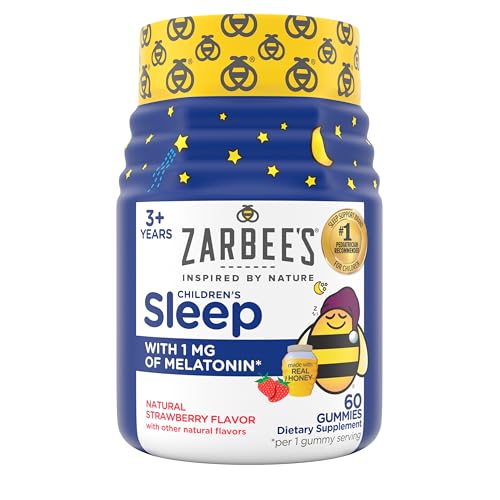
That is a pediatrician's decision. The American Academy of Pediatrics advises talking to a pediatrician before giving melatonin, using the lowest amount, and keeping gummies out of reach. Kids products in our catalog are labeled at 0.5 mg and 1 mg with an age range on the label. The kids safety page on this site collects the guidance.
How much melatonin should an older adult take?
Lower amounts are often favored for seniors, because melatonin is commonly described as clearing more slowly with age and next-day grogginess is the standing complaint. Older adults are also more likely to be on medications melatonin can interact with. A doctor or pharmacist who knows the medication list decides what is appropriate.
Can I take two melatonin gummies?
Read the serving size. Many gummy labels already direct two gummies per serving, so two is one serving; on a label that directs one gummy, two is double the labeled amount. Do not exceed what the label directs, and if the labeled amount seems too low or too high, the answer is a different product chosen with a pharmacist, not a second gummy.
Does the dose depend on body weight?
Labels do not scale melatonin by weight for adults, and clinicians commonly frame the amount around timing and individual response rather than body size. Kids labels state an age range, not a weight. The person who can account for your weight, age and medications together is a doctor or pharmacist.
Filed under Explainer
Part of Melatonin 101
Keep reading
Melatonin Dosage Chart
Every format and every label-stated age in one table, as the labels direct.
Best Low-Dose Melatonin (2026)
The 300 mcg to 1 mg products from Life Extension, Pure Encapsulations and Carlyle, ranked.
Melatonin 3 mg vs. 5 mg vs. 10 mg
The three common adult amounts side by side, with a verdict per buyer type.
Melatonin Side Effects
What the NIH and the labels describe, and which complaints track with amount.