Our Pick: Natrol
Check price on Amazon →Time Release vs Immediate Release Melatonin (2026): Which Problem Are You Solving
Immediate release is sold for the front of the night; time release is marketed for the middle of it. Natrol Melatonin 10 mg Fast Dissolve states 100 strawberry tablets at $13.18 (verified via the Amazon Creators API on September 5, 2026), about 13 cents each. Natrol Melatonin 10 mg Time Release states 100 tablets at $16.59, about 17 cents each. Same brand, same labeled 10 mg, opposite formulation. This page argues five axes and ends with a verdict per buyer type, including the case for buying neither at 10 mg.
By The Sleep Desk2026-09-05~10 min read Ranked on verified label facts, never box claimsHow we research
If the difficulty is falling asleep, buy the immediate release: Natrol Melatonin 10 mg Fast Dissolve, 100 strawberry tablets at $13.18 (verified via the Amazon Creators API on September 5, 2026), about 13 cents each and four cents cheaper per night than the alternative. If the difficulty is waking at three, the format marketed for that is Natrol Melatonin 10 mg Time Release, 100 tablets at $16.59, about 17 cents. Both are the same brand and the same labeled amount, so this decision is entirely about which half of the night you are trying to change.
The verb in that sentence is doing a lot of work and it is deliberate. Time-release and sustained-release melatonin is marketed for staying asleep. That is how the category is formulated and sold, and it is as far as this page will go: we are not saying it is proven to keep anyone asleep, because that is a claim about outcomes and melatonin is a dietary supplement rather than an approved drug. What we can verify is what the label states and what the maker says the tablet is designed to do.
One more thing before the axes. Both subjects here are 10 mg, which is at the top of the mainstream shelf and well above where most general guidance suggests starting. Sleep clinicians commonly favor the lowest amount that helps, often cited as 0.5 to 3 mg, and higher amounts are associated with next-day grogginess rather than better sleep. Natrol sells the same time release at 3 mg, and the third card on this page is a 1.5 mg capsule that does both jobs. Every dose, count and price comes from the listing title or the Supplement Facts panel, verified live on September 5, 2026. We read labels; we do not run a lab. No brand paid for a placement.
The short version
- Falling asleep is the problem: Natrol 10 mg Fast Dissolve, 100 count, $13.18, about 13 cents a tablet, no water needed.
- Staying asleep is the problem: Natrol 10 mg Time Release, 100 tablets, $16.59, about 17 cents. Marketed for staying asleep, not proven to.
- The time-release premium is about four cents a night at the same labeled amount from the same brand.
- Time-release tablets cannot be split or chewed without defeating the formulation. Immediate-release fast dissolve cannot be split either, but a plain immediate-release tablet can.
- 10 mg is high for either format. Natrol's 3 mg Time Release ($10.83 for 100, about 11 cents) is the same tablet at a starting-range amount.
- If neither: Life Extension Melatonin IR/XR 1.5 mg, 60 capsules, $9.00, about 15 cents, an immediate plus extended-release capsule at a fraction of the amount.
At a glance
| Product | Melatonin per unit | Release profile (per label) | Marketed for | Count | Cost per unit | Price (9/5/26) | Check price |
|---|---|---|---|---|---|---|---|
| Natrol 10 mg Fast Dissolve | 10 mg | Immediate, dissolves in mouth | Falling asleep | 100 | $0.13 | $13.18 | Check price on Amazon |
| Natrol 10 mg Time Release | 10 mg | Time release | Staying asleep | 100 | $0.17 | $16.59 | Check price on Amazon |
| Life Extension IR/XR 1.5 mg (if neither) | 1.5 mg | Immediate plus extended | Both, at a low amount | 60 | $0.15 | $9.00 | Check price on Amazon |
Both 10 mg subjects and the low-amount IR/XR alternative on one column set. Dose, form and count come from the Amazon listing title; anything the title does not state is marked not published. Release descriptions are the makers' formulation language, not outcome claims. Prices are live Amazon figures verified via the Creators API on September 5, 2026. Cost per tablet is price divided by count; confirm the serving size on the panel.

Natrol Melatonin 10 mg Fast Dissolve Tablets, Strawberry, 100 Count
Natrol
Immediate release, no water, 100 tablets at about thirteen cents each.
Our verdict: The right buy for the front-of-the-night problem, and the cheaper of the two subjects. Natrol states 10 mg per strawberry fast dissolve tablet, 100 count, at $13.18, about 13 cents each. It is an immediate-release tablet that dissolves on the tongue without water, which is the format most people mean when they say melatonin. At 10 mg it is a lot; the same tablet exists at 1, 3 and 5 mg.
Verified: Labeled 10 mg melatonin per fast dissolve tablet, strawberry flavored, immediate release, 100 count. Live at $13.18 on Amazon, verified via the Creators API on September 5, 2026.
Immediate release, in the most convenient form it comes in. Natrol Melatonin 10 mg Fast Dissolve states 10 mg per strawberry tablet across 100 tablets at $13.18 (verified via the Amazon Creators API on September 5, 2026). $13.18 divided by 100 is about 13 cents a tablet. The label directs it to be taken shortly before bedtime and it dissolves in the mouth rather than being swallowed.
What makes this the pick is that it is cheaper than the time-release version by about four cents a night, it removes water and swallowing from the routine, and the same format runs the whole ladder: 1 mg at $6.97 for 90, 3 mg at $7.32 for 90 and 5 mg at $8.96 for 90. Anyone taking the common advice to start low can do so without leaving this product family.
The honest caveats are the amount and the flavor. Ten milligrams is at the top of the mainstream shelf, above the 0.5 to 3 mg range that most general guidance points at, and the strawberry sweetening is not optional in this format. For the sugar objection there is Natrol 10 mg sugar-free peppermint fast dissolve ($6.30 for 60). The full field is in best fast dissolve melatonin and the 10 mg shelf in best melatonin 10 mg.
Who should buy it
Buy it if the difficulty is falling asleep rather than staying asleep, if you want the immediate-release format without water or swallowing, and if a pharmacist or doctor has agreed 10 mg is a reasonable place for you to be.
What we don't like
Ten milligrams is well above the amount most general guidance suggests starting at, the strawberry sweetening cannot be avoided in this version, a fast dissolve tablet cannot be split to take less, and it does nothing for anyone whose problem is the middle of the night.
- Melatonin per serving
- 10 mg (1 fast dissolve tablet)
- Form
- Fast dissolve tablet, strawberry
- Release profile
- Immediate release
- Count
- 100
- Added ingredients
- Strawberry flavor; nothing else stated in the title
- Cost per night
- $13.18 / 100 = about $0.13
- Age on label
- Adults
What we like
- About 13 cents, four cents cheaper than the time-release version
- No water and no swallowing
- Same format available at 1, 3, 5 and 10 mg
Worth noting
- 10 mg is high against most starting guidance
- Cannot be split, and the flavor is not optional

Natrol Melatonin 10 mg Time Release, Nighttime Sleep Aid, 100 Tablets
Natrol
The same 10 mg formulated to release over hours, marketed for staying asleep.
Our verdict: The format to buy if you fall asleep fine and wake in the small hours. Natrol states 10 mg per time-release tablet, 100 tablets, at $16.59, about 17 cents each, four cents more per night than the immediate-release version of the same amount from the same brand. Time release is marketed for staying asleep; that is the maker's framing and we do not extend it into an outcome claim.
Verified: Labeled 10 mg melatonin per tablet, time release formulation, 100 tablets. Live at $16.59 on Amazon, verified via the Creators API on September 5, 2026.
Same amount, released over a period rather than at once. Natrol Melatonin 10 mg Time Release states 10 mg per tablet across 100 tablets at $16.59 (verified September 5, 2026). $16.59 divided by 100 is about 17 cents a tablet. The listing describes it as a nighttime sleep aid in a time-release formulation.
Living with the format has two real consequences. The tablet cannot be split, crushed or chewed without defeating the release mechanism, so 10 mg is 10 mg and there is no way to take less from this bottle. And the complaint that comes up most often with longer-acting melatonin is next-morning grogginess, which is the same complaint associated with higher amounts generally. Both point the same direction: if you want to try this format, the lower-amount version is the sensible entry.
Natrol runs the same tablet at 3 mg, 100 tablets at $10.83, about 11 cents, which is both cheaper per night and inside the range most general guidance points to. The brand also sells the format as gummies at 3 mg ($14.49 for 65) and 10 mg ($16.99 for 55). The rest of the shelf, including NOW and Nature Made extended-release tablets, is ranked in best time release melatonin.
Who should buy it
Buy it if you fall asleep without trouble and wake in the middle of the night, and you want the format the category markets for that, from a brand that also sells it at 3 mg if 10 proves to be too much.
What we don't like
It costs about four cents a night more than the immediate-release version of the same amount, it cannot be split or chewed, 10 mg is high against most starting guidance, and next-morning grogginess is the most common complaint with longer-acting melatonin.
- Melatonin per serving
- 10 mg (1 tablet)
- Form
- Time release tablet
- Release profile
- Time release per the label
- Count
- 100
- Added ingredients
- None stated in the title
- Cost per night
- $16.59 / 100 = about $0.17
- Age on label
- Adults
What we like
- The format marketed for staying asleep
- Same tablet available at 3 mg for about 11 cents
- 100 tablets, a deep bottle at this price
Worth noting
- About four cents a night more than immediate release
- Cannot be split, crushed or chewed
- Next-morning grogginess is the common complaint

Life Extension Melatonin IR/XR, 1.5 mg, 60 Capsules
Life Extension
Immediate plus extended release at 1.5 mg, a sixth of either subject.
Our verdict: The answer for readers who read the two axes above and wanted both, or who took one look at 10 mg and wanted less. Life Extension states 1.5 mg per capsule in an immediate plus extended-release format, 60 capsules at $9.00, about 15 cents each. It is the closest product on the shelf to what most general guidance actually points at: a small amount, in a format built for both halves of the night.
Verified: Labeled 1.5 mg melatonin per capsule, immediate release plus extended release, 60 capsules. Live at $9.00 on Amazon, verified via the Creators API on September 5, 2026.
A sixth of the amount, both release profiles. Life Extension Melatonin IR/XR 1.5 mg states 1.5 mg per capsule across 60 capsules at $9.00 (verified September 5, 2026), about 15 cents each. The IR/XR name is the maker's shorthand for a capsule with an immediate-release portion and an extended-release portion.
The reason it belongs on this page is arithmetic. Both subjects above are 10 mg. This is 1.5 mg. If the general guidance sleep clinicians commonly repeat is to start at the lowest amount that helps, often 0.5 to 3 mg, then a reader arriving at this comparison with no prior experience is better served starting here than at either 10 mg tablet, and stepping up later if a doctor or pharmacist agrees.
Life Extension builds most of its line around small amounts: 300 mcg, 100 capsules at $7.50 (about 8 cents), 6 Hour Timed Release 750 mcg at $6.00 and IR/XR in a 120-capsule bottle at $17.75. The low end of the shelf is ranked in best low-dose melatonin, and the brand line in the Life Extension melatonin review.
Who should buy it
Buy it if you are new to melatonin, if 10 mg sounds like more than you want, or if you want a formulation that addresses both falling asleep and staying asleep in one capsule at a starting-range amount.
What we don't like
It costs more per capsule than the immediate-release subject despite containing a fraction of the melatonin, 60 capsules is the shallowest bottle here, and a capsule has to be swallowed, so it answers none of the no-water argument.
- Melatonin per serving
- 1.5 mg (1 capsule)
- Form
- Capsule
- Release profile
- Immediate release plus extended release
- Count
- 60
- Added ingredients
- None stated in the title
- Cost per night
- $9.00 / 60 = about $0.15
- Age on label
- Adults
What we like
- Both release profiles in one capsule
- 1.5 mg sits inside the range most general guidance points to
- Line extends down to 300 mcg and up to a 120-capsule bottle
Worth noting
- About 15 cents for a fraction of the melatonin
- Swallowed capsule, and only 60 in the bottle
The bedtime kit
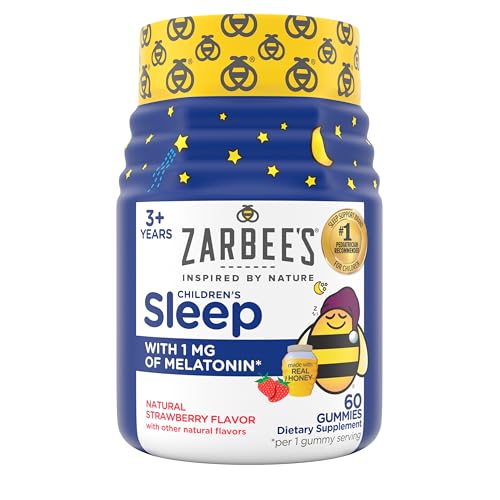
The six things that round out a melatonin routine: the standard fast-dissolve, a sub-milligram option, a time-release tablet for staying asleep, a magnesium for melatonin-free nights, a bedtime tea, and a kids bottle. Prices are approximate at time of writing.


Axis 1: What each formulation is actually sold to do
Immediate release delivers the labeled amount at once. That is the default melatonin format, it is what a plain tablet, a capsule, a gummy and a fast dissolve tablet all are, and it is sold for the front of the night. Time release and sustained release use a coating or a matrix so the tablet gives up its melatonin over a period rather than in one go; NOW's version, for example, states a four-hour release period on the label. Those products are marketed for staying asleep.
We are precise about that verb because the category is not. Marketed for is a statement about the product; proven to would be a statement about you, and melatonin is a dietary supplement rather than an approved drug, so nobody on this page gets to make the second one. If you fall asleep quickly and wake at three most nights, the time-release shelf is where the products designed for that pattern live. Whether one works for you is between you, a doctor and a few weeks of honest observation. How long a dose of melatonin lasts in general is covered in how long does melatonin last.
Axis 2: The amount, and why 10 mg is the wrong entry point
Both subjects are 10 mg, which is the top of the mainstream shelf. The guidance sleep clinicians most commonly repeat runs the other way: start at the lowest amount that helps, often cited in the 0.5 to 3 mg range, because more melatonin is not better and higher amounts are associated with next-day grogginess. That is general guidance and attribution, not a prescription, and your doctor or pharmacist is the right person to apply it to you.
The practical consequence is that a first-time buyer should probably not be choosing between two 10 mg products at all. Natrol's own 3 mg Time Release at $10.83 for 100 is the same tablet at a starting-range amount for about 11 cents, cheaper per night than either subject. On the immediate-release side, Natrol 1 mg Fast Dissolve at $6.97 for 90 is about 8 cents.
The amount question also interacts with the format in a way people miss. A time-release tablet cannot be split, crushed or chewed without defeating the mechanism, so whatever amount is printed on the bottle is the amount you are taking. A plain immediate-release tablet can be halved. That makes the time-release bottle a bigger commitment to a number, and it is another reason to buy the 3 mg version rather than the 10.
Axis 3: The next morning
The most consistent complaint owners report about longer-acting melatonin is grogginess the following morning, and it is the same complaint associated with higher amounts of any melatonin. A time-release 10 mg tablet combines both risk factors in one object, which is worth knowing before you buy 100 of them. Immediate-release formats concentrate their effect earlier, which is part of why they dominate the shelf.
None of that makes time release a bad category. It makes the entry point matter. Starting with a lower-amount time-release product, then judging the next three mornings honestly, is a more sensible experiment than starting at 10 mg and concluding melatonin is not for you. Grogginess and what people call a melatonin hangover are covered in melatonin hangover and grogginess.
The practical rule that applies to both subjects: do not drive after taking melatonin, and give any new product a few nights when the following morning is low stakes rather than a night before an early meeting.
Axis 4: Cost per night, count and the format tax
Natrol's fast dissolve is $13.18 for 100 tablets, about 13 cents each. The time release is $16.59 for 100 tablets, about 17 cents. That is a format premium of about four cents a night, or roughly fifteen dollars a year at nightly use, for the same brand and the same labeled amount. It is a real difference and a small one.
Going down the ladder changes the math more than switching format does. The 3 mg Time Release at $10.83 for 100 is about 11 cents, which is cheaper than the immediate-release 10 mg. The gummy versions of the time-release format cost considerably more: 10 mg time-release gummies at $16.99 for 55 are about 31 cents each, and 3 mg time-release gummies at $14.49 for 65 are about 22 cents. As always in this category, the gummy premium is paid for texture rather than for melatonin.
Axis 5: If you want both halves of the night
A number of readers arrive at this comparison because they have trouble at both ends: slow to drop off and awake again at four. The category has an answer for that shape, and it is not buying both bottles. Combination products carry an immediate-release portion and an extended-release portion in one unit. Life Extension Melatonin IR/XR 1.5 mg ($9.00 for 60, about 15 cents) is the one we point at most often, precisely because it does the job at a starting-range amount rather than at 10 mg.
Two neighbours are worth knowing. Life Extension 6 Hour Timed Release 750 mcg at $6.00 is a timed-release product at well under a milligram, which is about as gentle as this category gets. And Nature Made 4 mg Extended Release at $7.69 for 90 is about 9 cents, the cheapest extended-release tablet we can point to from a line that widely carries USP verification.
The verdict, by buyer type
Trouble falling asleep, and 10 mg has been agreed with a professional: Natrol 10 mg Fast Dissolve, $13.18 for 100, about 13 cents.
Waking in the middle of the night: Natrol 10 mg Time Release, $16.59 for 100, about 17 cents. Marketed for exactly that, and worth trying at 3 mg first.
New to melatonin, either problem: Natrol 3 mg Time Release at $10.83 for 100 if you wake in the night, or Natrol 3 mg Fast Dissolve at $7.32 for 90 if you do not. Both sit inside the range most general guidance points to.
Both halves of the night: Life Extension IR/XR 1.5 mg, $9.00 for 60. Cheapest extended release: Nature Made 4 mg Extended Release, $7.69 for 90, about 9 cents.
Waking every night for months: a doctor, before another bottle. Persistent night waking is a reason to be assessed, not a reason to escalate a supplement. Every buyer: no driving after taking it, no stacking two melatonin products without a pharmacist, and everything stored out of reach of children.
More picks worth comparing
Beyond this guide, the highest-rated picks across every category and budget, with a live price check on each.


As an Amazon Associate we earn from qualifying purchases, at no cost to you.
Quick shop: every pick
Skip the scroll: the whole lineup, with a live price check on each.
- Natrol Melatonin 10 mg Fast Dissolve Tablets, Strawberry, 100 CountBest for Falling AsleepNatrol · $13.18Check price on Amazon
- Natrol Melatonin 10 mg Time Release, Nighttime Sleep Aid, 100 TabletsBest If You Wake in the NightNatrol · $16.59Check price on Amazon
- Life Extension Melatonin IR/XR, 1.5 mg, 60 CapsulesIf Neither: Both Profiles at a Low AmountLife Extension · $9.00Check price on Amazon
How we chose
A comparison page puts the same spec table on both sides and argues the decision axes one at a time: what the label states and what the maker says the formulation does, the amount and whether it suits the job, the practical business of taking it, the cost per serving, and the tradeoffs people report living with. We read the Supplement Facts panel and the live Amazon listing, verify price and availability through the Amazon Creators API (this page: September 5, 2026), and weigh the consistent testimony of owners. We do not run a lab, we never claim physical testing, and we describe release profiles as what a product is marketed for rather than what it is proven to do. Pick slots go to recognized brands only.
Melatonin is a dietary supplement in the United States, not an FDA-approved drug. These statements have not been evaluated by the Food and Drug Administration. This product is not intended to diagnose, treat, cure, or prevent any disease. We report what labels direct and the general guidance, commonly cited by sleep clinicians, that the lowest effective amount is the place to start, often 0.5 to 3 mg; both subjects on this page are well above that, and we never prescribe an amount for any individual. Persistent difficulty staying asleep is a reason to see a doctor rather than to buy a stronger supplement. Melatonin can interact with blood thinners, immunosuppressants, and blood-pressure and diabetes medication, so ask a pharmacist. Do not drive after taking it. Anyone pregnant or nursing should consult a doctor. Keep every melatonin product out of the reach of children.
Questions, answered
Is time release melatonin better than regular melatonin?
Neither is better in general; they are sold for different problems. Immediate release is for falling asleep. Time release is marketed for staying asleep. We say marketed for rather than proven to, because that describes how the product is formulated and sold and stops short of an outcome claim we cannot make about a dietary supplement.
What is the difference between time release and extended release melatonin?
In practice the terms are used interchangeably by different brands for the same idea: a tablet or capsule designed to give up its melatonin over a period rather than at once. Natrol calls its version Time Release, NOW calls its version Sustained Release and states a four-hour release period, and Nature Made calls its 4 mg version Extended Release. Read each label for the specific language the maker uses.
Can you cut a time release melatonin tablet in half?
No. Splitting, crushing or chewing a time-release tablet defeats the mechanism that spreads the release out, which means you may take the whole labeled amount at once. If you want a smaller amount, buy a smaller amount: Natrol sells the same time-release tablet at 3 mg ($10.83 for 100), and Life Extension sells timed-release products under a milligram.
Does time release melatonin cause more morning grogginess?
Next-morning grogginess is the most consistent complaint owners report about longer-acting melatonin, and it is also the complaint associated with higher amounts of any melatonin. A 10 mg time-release tablet combines both. That is a reason to start at a lower amount in that format rather than a reason to avoid it, and a reason not to drive after taking any melatonin.
Which is cheaper, Natrol time release or fast dissolve?
At 10 mg the fast dissolve is cheaper: $13.18 for 100 (about 13 cents) versus $16.59 for 100 (about 17 cents) at our September 5, 2026 check. That is roughly a four cent per night premium for the time-release format. Natrol's 3 mg Time Release at $10.83 for 100, about 11 cents, is cheaper than either.
Can you take immediate release and time release melatonin together?
Not without asking a pharmacist first. Stacking two melatonin products means adding the amounts together, and this page's whole argument is that most people should be moving down rather than up. If you want coverage across both halves of the night, buy one combination product such as Life Extension Melatonin IR/XR 1.5 mg ($9.00 for 60) rather than two bottles.
Is 10 mg of melatonin too much for time release?
We never prescribe an amount, and this is a question for a doctor or pharmacist. The general guidance sleep clinicians commonly cite is to start at the lowest amount that helps, often 0.5 to 3 mg, which is well below both subjects on this page. Natrol's 3 mg Time Release exists precisely for that reason and costs less per night than the 10 mg version.
What should I use if I wake up at 3am every night?
Time release is the format the category markets for that pattern, and Natrol 10 mg Time Release or its 3 mg sibling is where most people start. But waking at the same hour every night for weeks or months is worth raising with a doctor rather than solving with a stronger supplement. Melatonin is a dietary supplement and is not intended to diagnose, treat, cure or prevent any condition.
Filed under Comparison
Part of Head-to-Head Comparisons
Keep reading
Best Time Release Melatonin (2026)
Every extended and sustained-release tablet, gummy and capsule ranked.
Best Fast Dissolve Melatonin (2026)
The immediate-release no-water shelf at 1, 3, 5 and 10 mg.
How Long Does Melatonin Last?
What the labels and the general guidance say about duration.
Best Melatonin 10 mg
The top of the mainstream shelf, and when it is the wrong shelf.