Our Pick: Natrol
Check price on Amazon →Melatonin Hangover: Why the Morning After Happens, and What Changes It
The melatonin hangover is the complaint owners raise more than any other: a heavy, foggy morning, sometimes with a headache, after a night that started with a gummy or a tablet. It is not a hangover in the alcohol sense, and it has a plain explanation: melatonin still present at the alarm, because the amount was high, the format was time-release, the serving was late, or the person clears it slowly. This page lays out the arithmetic, the amounts and formats owners blame, the timing mistakes, and the changes that resolve it, with a doctor or pharmacist as the person who decides. No medical advice.
By The Melatonin Pills Desk2026-09-05~9 min read Ranked on verified label facts, never box claimsHow we research
A melatonin hangover is residual melatonin at the alarm, and it has four usual causes that compound: a high amount, a time-release format, a serving taken late in the night, and a body that clears melatonin slowly, which is commonly described with age and with certain medications. Immediate-release melatonin has a commonly cited half-life under an hour, so a modest serving is mostly gone in four to five hours; but each half-life only halves what remains, so a 10 mg serving takes several more hours to fall to where a 1 mg serving started, and a tablet engineered to keep releasing for hours puts the signal squarely into the morning. The result is what owners describe: heaviness, fog, slowed thinking, sometimes a headache, and a dangerous reluctance to trust the first cup of coffee before driving.
The good news is that the complaint tracks the causes so closely that the fixes are predictable. Owners who describe the hangover are overwhelmingly taking 5 to 10 mg or more, often as a gummy whose serving size they did not read, often as a time-release tablet, often after midnight. Owners who describe no hangover are overwhelmingly taking 0.5 to 3 mg of an immediate-release format at the label's lead time before a consistent bedtime. That is also the general guidance many sleep clinicians give, and the side-effect profile is most of why. We report it as guidance, not a prescription.
Melatonin is a dietary supplement in the United States; the FDA has not evaluated the statements on any label, and nothing here diagnoses, treats, cures, or prevents anything. What follows is the mechanism, the culprits, and the changes, so the conversation with a pharmacist starts from the right place, and so nobody drives to work foggy because a gummy was bigger than they thought.
The short version
- A melatonin hangover is melatonin still present at the alarm. Heaviness, fog, slowed thinking, sometimes a headache.
- Four causes that compound: high amount, time-release format, late serving, slow clearance (age, some medications).
- The arithmetic: half-life under an hour, but each half-life halves what is left, so 10 mg lingers hours longer than 1 mg.
- The fixes owners describe: a lower amount, immediate-release instead of time-release, the label's lead time before a consistent bedtime.
- Do not drive if any grogginess remains. If it persists after the changes, that is a doctor's conversation.
Our top-rated melatonin
Whatever you decide, these are the picks we recommend across every format, ranked on verified label facts and cost per night. Live price check on each.


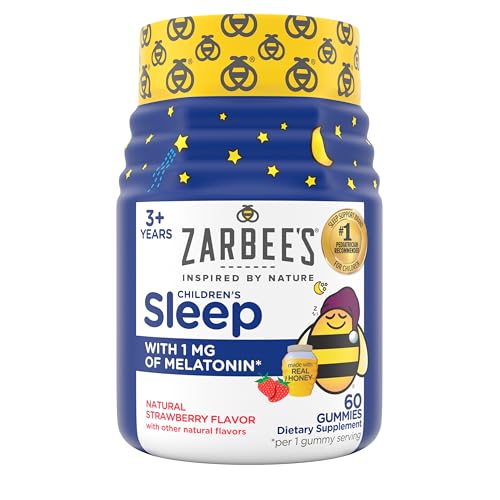
As an Amazon Associate we earn from qualifying purchases, at no cost to you.
The bedtime kit
The six things that round out a melatonin routine: the standard fast-dissolve, a sub-milligram option, a time-release tablet for staying asleep, a magnesium for melatonin-free nights, a bedtime tea, and a kids bottle. Prices are approximate at time of writing.


The short answer: it is melatonin still in your blood at the alarm
The melatonin hangover has none of the chemistry of an alcohol hangover; there is no dehydration, no acetaldehyde, no rebound. It is simpler and more fixable: the melatonin signal, which was supposed to fade by morning the way the body's own does, has not faded yet. Melatonin is a timing signal telling the clock it is night, and a body that receives that signal at 7 a.m. behaves accordingly, with the heaviness, fog and slowed reactions owners describe. Add a mild headache, which is on the NIH's list of common side effects and is more reported at higher amounts, and the morning has the shape everyone recognizes.
The mechanism is on how long melatonin lasts, and the one-paragraph version is arithmetic. Immediate-release melatonin has a commonly cited elimination half-life of roughly 40 to 60 minutes, so a serving peaks within about an hour and is mostly cleared four to five hours later. But each half-life only halves what remains: a 10 mg serving starts ten times higher than a 1 mg serving and needs more than three additional half-lives, roughly two and a half more hours, to fall to where the 1 mg serving started. Take the 10 mg at midnight instead of ten, or take it as a tablet engineered to keep releasing for six hours, and the melatonin is still there when the alarm sounds. That is the whole story, and every fix on this page follows from it.
The four culprits, and how much each one matters
| Culprit | Why it lingers | How often owners name it | The change that addresses it |
|---|---|---|---|
| High amount (5 to 10 mg and up) | Starts higher, so it takes more half-lives to clear | The most common by far | A lower amount; many clinicians favor 0.5 to 3 mg as general guidance |
| Time-release format | Engineered to keep releasing for hours; the tail lands on the morning | Very common, especially combined with a high amount | An immediate-release format at the same or lower amount |
| Late serving (after midnight, or after a night waking) | Fewer hours between the serving and the alarm | Common | The label's lead time before a consistent, earlier bedtime; no second serving |
| Slow clearance (age, some medications, liver enzyme differences) | The same serving stays in the blood longer in some people | Common among older adults and people on certain medications | A lower amount and a pharmacist's review of the medication list |
| Gummy serving size misread | A 10 mg per two gummies jar taken two at a time is 10 mg, not 5 | Underreported but frequent | Read the Supplement Facts serving size; count per serving, not per piece |
| Alcohol the same evening | Adds its own morning effects and fragments the second half of the night | Common and rarely admitted | Labels say not to combine; save melatonin for sober nights |
The rows compound. A 10 mg time-release taken at 1 a.m. by a 70-year-old on a medication that slows clearance is four culprits at once, and the morning is the predictable result. The melatonin side effects page carries the medication interactions, and the melatonin and alcohol page covers the last row.
The amount: the change that fixes it most often
Ask owners who solved the hangover what they changed and the answer is usually a number. The shelf pushes toward 5 and 10 mg because extra strength and maximum strength sell, but melatonin acts through a fixed number of receptors, and amounts beyond what those receptors can use do not bind harder; they stay in the blood longer. That is the pharmacological reason many sleep clinicians favor the lowest effective amount, commonly cited as 0.5 to 3 mg, and it is the reason the low-dose products exist. Life Extension Melatonin 300 mcg, at $7.50 for 100 capsules (verified via the Amazon Creators API on September 5, 2026), starts at a level close to what the body itself circulates at night, and Natrol Melatonin 1 mg Fast Dissolve, at $6.97 for 90, is the same idea in the quickest-clearing format. The best low-dose melatonin guide ranks the category.
The trap in the amount conversation is the gummy. A jar labeled 10 mg on the front is often 10 mg per two gummies on the back, and a jar labeled 5 mg is often 5 mg per one; the owner who takes two of the second jar because two felt like a serving is at 10 mg and does not know it. Read the serving size line first, then the amount per serving, and treat the jar as the amount it actually delivers. The how much melatonin should I take page walks through the label and the reasoning; a doctor or pharmacist decides the number.
The format: why time-release is the usual suspect
Time-release, extended-release and sustained-release tablets are engineered to dissolve slowly so that melatonin keeps entering the blood for hours; labels state the intended window, four hours on some, six on others, and the format is marketed for staying asleep. That is a legitimate design for the buyer it is labeled for, and it is also, by definition, the format whose signal is still present latest into the night. Combine it with a high amount and the tail lands on the alarm. Natrol Melatonin 10 mg Time Release, at $16.59 for 100 tablets (verified via the Amazon Creators API on September 5, 2026), is an honest product and the single format-and-amount combination owners most often name in hangover reports.
The fix is not to abandon the idea of a longer signal but to lower the starting level: Life Extension 6 Hour Timed Release 300 mcg, at $9.00, pairs the long release with a level close to what the body makes on its own, and owners who want the format without the morning describe exactly that trade. Or to switch to immediate-release, which clears in four to five hours and is the format the falling-asleep use case actually calls for. The time-release vs immediate-release comparison puts the two side by side. We say marketed for staying asleep because the release profile is the maker's engineering claim, not a promised outcome.
The timing: the change that costs nothing
A serving taken at the label's lead time before a 10:30 bedtime has eight or nine hours to clear before a 7 a.m. alarm; the same serving taken at 1 a.m. after tossing for two hours has six, and the same serving taken at 3 a.m. after a night waking has four. The pharmacology is indifferent to why the serving was late; it only counts the hours. Owners who describe the hangover after a late serving are describing the arithmetic, and the fix is the direction on every label: one serving, before bed, at the same time each night, and no second one in the small hours. Standard labels do not direct a second serving, and melatonin taken toward morning is also associated with pushing the body clock later, which makes the next night harder as well.
The bedtime itself is the other half. Melatonin is a signal to the clock, and a clock that gets its signal at a different hour every night has nothing consistent to respond to; the owners who describe melatonin as unreliable and the owners who describe morning grogginess are often the same people, and the same inconsistent schedule explains both. The when to take melatonin page covers the timing logic and the return-to-sleep question in full.
When the morning does not improve, and the cautions
If a low immediate-release serving at the right time still leaves a heavy morning, the remaining explanations are the person and the reason. Older adults are commonly described as clearing melatonin more slowly, which is why lower amounts are often favored for seniors and why grogginess is the standing complaint in that group; the best melatonin for seniors guide is built around it. Some medications inhibit the liver enzyme that clears melatonin and can turn a modest serving into a large one, and a pharmacist can spot them on a list in a minute. And a morning that is foggy regardless of melatonin may not be about melatonin at all; sleep that does not refresh is a doctor's conversation, and melatonin is quiet enough to hide the question.
Until the morning is clear, the rule on every label is absolute: do not drive or operate machinery if any drowsiness remains. Melatonin can interact with blood thinners, immunosuppressants, blood-pressure medication and diabetes medication. Children need a pediatrician, pregnant and nursing people need a doctor and we make no product recommendation for them. Melatonin is a dietary supplement; these statements have not been evaluated by the Food and Drug Administration, and no product on this site is intended to diagnose, treat, cure, or prevent any disease.
Ready to buy? Start with our top picks
Whatever this guide steered you toward, here's where most readers land, ranked on verified label facts and value. Live price check on each.
As an Amazon Associate we earn from qualifying purchases, at no cost to you.
Key terms
- Melatonin hangover
- Owner shorthand for residual drowsiness, fog and sometimes headache at the alarm, caused by melatonin still present in the blood. Not an alcohol-type hangover; a leftover.
- Half-life arithmetic
- Each half-life (roughly 40 to 60 minutes for immediate-release) halves what remains, so a serving that starts ten times higher takes several more hours to clear. The reason amount drives the morning.
- Tail
- The low, lingering blood level after the peak. Longer for high amounts, for time-release formats, and for late servings; the tail is what the alarm meets.
- Serving-size trap
- Gummies labeled per two pieces taken as if per one, or vice versa. A frequent hidden cause of a higher-than-intended amount.
- Slow clearance
- A body that removes melatonin more slowly, commonly described with age and with medications that inhibit the liver enzyme CYP1A2. The same serving lingers longer.
Questions, answered
Why does melatonin make me groggy in the morning?
Because melatonin is still present at the alarm. High amounts start higher and take more half-lives to clear; time-release tablets keep releasing for hours; a serving taken late in the night has fewer hours to clear; and some people, older adults especially, clear it more slowly. Heaviness, fog and sometimes a headache are the result. Do not drive if any of it remains.
How do I stop a melatonin hangover?
Owners who solved it describe three changes: a lower amount (many clinicians favor 0.5 to 3 mg as general guidance), an immediate-release format instead of time-release, and the label's lead time before a consistent bedtime with no second serving in the small hours. Reading the gummy serving size is a fourth. A pharmacist can help sort out which applies; if the morning does not improve, a doctor should hear about it.
Does 10 mg of melatonin cause grogginess?
It is the amount owners name most often in hangover reports, and the arithmetic explains why: a 10 mg serving needs more than three extra half-lives, roughly two and a half more hours, to fall to where a 1 mg serving started. Combined with a time-release format or a late serving, the tail reliably reaches the alarm. Whether 10 mg is appropriate for a particular person is a doctor or pharmacist's decision.
Does time-release melatonin cause a hangover?
It is the format owners most often blame, because it is engineered to keep releasing for hours and the labels state windows of four to six hours; the tail lands on the morning by design. Low-amount timed-release products pair the long release with a starting level close to what the body makes and are the trade owners describe when they want the format without the morning.
How long does melatonin grogginess last?
Until the serving clears, which depends on the amount, the format and the hour it was taken. For a modest immediate-release serving the commonly cited clearance is four to five hours from the time it was taken; for a high amount or a time-release tablet it can be much of the morning. Do not drive until it is gone.
Can melatonin cause headaches the next day?
Headache is on the NIH's list of common melatonin side effects and is more often reported at higher amounts, and a morning headache alongside grogginess is the pattern owners describe with high or late servings. A lower amount is the usual change; a headache that persists or is severe is a reason to stop and talk to a doctor.
Is it safe to drive after taking melatonin the night before?
Only if no drowsiness remains, and the labels say not to drive or operate machinery after taking it. A low immediate-release serving at a normal bedtime is usually cleared by a normal alarm; a high amount, a time-release tablet, or a late serving may not be. If the morning feels heavy, the honest answer is no.
Filed under Explainer
Part of Melatonin 101
Keep reading
How Long Does Melatonin Last?
The half-life arithmetic behind residual melatonin at the alarm.
Melatonin Side Effects
The NIH list, which effects scale with amount, and the interactions a pharmacist checks.
Best Low-Dose Melatonin (2026)
The short-tail products owners without a hangover describe, ranked.
Time-Release vs. Immediate-Release Melatonin
The usual suspect and its alternative, side by side.