Our Pick: Natrol
Check price on Amazon →Melatonin for Shift Work: Daytime Sleep, Light Control, and What the Guidance Says
Night-shift workers who use melatonin describe taking one serving shortly before a daytime sleep period, in a room made as dark as a bedroom at midnight, and every source that discusses the practice says the same thing about priorities: light control is the stronger lever, and melatonin is the supporting one. This page lays out what the guidance describes, why daytime sleep is a harder problem than jet lag, the light routine that does most of the work, which formats suit an 8 a.m. bedtime, and why a doctor's judgment matters more here than almost anywhere, given the alertness the job demands. No medical advice.
By The Melatonin Pills Desk2026-09-05~9 min read Ranked on verified label facts, never box claimsHow we research
For a night-shift worker, the practice commonly described is one serving of melatonin at the lead time the label directs before the daytime sleep period, in a blacked-out room, after a commute home in dark glasses. Melatonin is a signal to the body's clock that night has arrived, and the shift worker's problem is that the clock, and the sun, disagree. The supplement can add a night signal at 8 a.m.; it cannot cancel the day signal the eyes are sending, which is why every source that discusses melatonin for shift work puts light control first. Labels phrase melatonin's purpose as supporting occasional sleeplessness, and that is the language we use; whether it belongs in a shift worker's routine is a doctor's decision, and a weightier one than usual because the job demands alertness at hours when residual drowsiness is dangerous.
Shift work is a harder clock problem than jet lag, and it is worth being honest about why. A traveler asks the clock to move to a new schedule and then stays there, with daylight helping every morning. A rotating shift worker asks the clock to move and then move back, sometimes weekly, with daylight fighting the move every commute. Published research on melatonin and shift work describes modest effects on daytime sleep length in some studies and little effect in others, and clinical guidance on the subject is cautious. That is not a reason to dismiss it; it is a reason to expect a supporting role, keep the amount low, and treat the dark room as the main event.
Melatonin is a dietary supplement in the United States; the FDA has not evaluated the statements on any label, and nothing here diagnoses, treats, cures, or prevents anything. What follows is the practice as the guidance and consistent owner testimony describe it, so the conversation with a doctor starts from the right place.
The short version
- The commonly described practice: one serving at the label's lead time before the daytime sleep period, in a fully dark room, after a dark-glasses commute.
- Light control is the stronger lever. Dark glasses home, blackout curtains, no screens in bed; bright light at the start of the shift.
- Daytime sleep fights the sun and the clock; published effects of melatonin on daytime sleep are modest and mixed. Expect a supporting role.
- Low amounts and immediate-release formats; time-release and high amounts are the ones most likely to still be present when the alarm sounds for the next shift.
- A doctor decides, and the alertness demands of the job make that decision weightier than usual. Do not drive drowsy.
Our top-rated melatonin
Whatever you decide, these are the picks we recommend across every format, ranked on verified label facts and cost per night. Live price check on each.


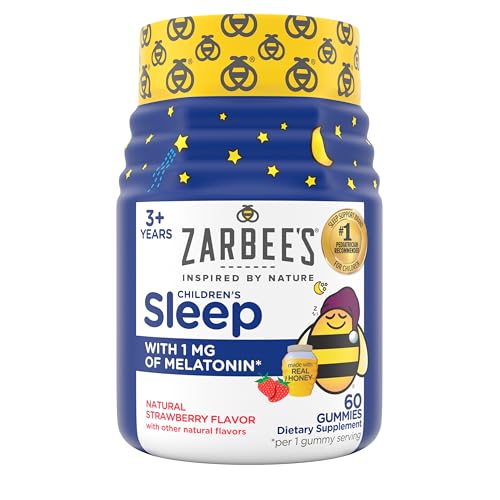
As an Amazon Associate we earn from qualifying purchases, at no cost to you.
The bedtime kit
The six things that round out a melatonin routine: the standard fast-dissolve, a sub-milligram option, a time-release tablet for staying asleep, a magnesium for melatonin-free nights, a bedtime tea, and a kids bottle. Prices are approximate at time of writing.


The short answer: dark room first, melatonin second, doctor before either
The routine night-shift workers describe, and the one the guidance on the subject is built around, has three parts in order of importance. First, light: dark glasses for the commute home so the morning sun does not tell the clock the day has begun, a bedroom made as dark as possible with blackout curtains or a mask, and no screens once in bed. Second, a consistent daytime sleep window, kept as fixed as the schedule allows, because the clock responds to regularity. Third, and only third, a serving of melatonin at the lead time the label directs before that sleep window: about 20 minutes for a fast-dissolve such as Natrol Melatonin 3 mg Fast Dissolve, at $7.32 for 90 tablets (verified via the Amazon Creators API on September 5, 2026), longer for swallowed forms.
The order matters because of mechanism. Melatonin adds a night signal to the body's master clock; light sends a day signal to the same clock through the eyes, and the light signal is the stronger of the two. A serving taken after a sunlit drive home, in a room with a gap in the curtains, is a night signal arriving after a loud day signal, and it does little. The how melatonin works page covers the light pathway; the practical translation for a shift worker is that the dark glasses cost less than the supplement and matter more. And before any of it, a doctor: melatonin can interact with medications, residual drowsiness at the start of a shift is a safety issue in most jobs that run overnight, and the doctor is the person who can weigh both.
Why daytime sleep is harder than jet lag
The clock is built to sleep in the dark and wake in the light, and a night shift asks it to do the opposite while the sun argues. Three things make that harder than a time-zone change. The sun is on the wrong schedule every single day, not just for the first few after a flight. The rest of the world is on the wrong schedule too: deliveries, phones, and family life happen during a shift worker's night. And most shift schedules rotate, so the clock is asked to move, settle, and move back, which is the equivalent of flying across an ocean every week. Published research reflects this: studies of melatonin for shift workers describe modest gains in daytime sleep length in some and none in others, and the clinical guidance that exists is cautious about how much to expect.
That is why the practical literature on shift work spends most of its words on light and schedule rather than supplements. Bright light at the start of a night shift is described as helping alertness and nudging the clock toward the night schedule; darkness on the way home and in the bedroom is described as protecting the daytime sleep window; and a consistent window, even on days off where possible, is described as the single most effective habit. Melatonin, in that literature, is a supporting signal that can help the clock accept an 8 a.m. bedtime, not a substitute for the conditions that make one possible. The melatonin for jet lag page describes the easier version of the same problem.
The light routine that does most of the work
| Point in the cycle | What the guidance describes | Why |
|---|---|---|
| Start of the night shift | Bright light for the first part of the shift | Sends the clock a day signal on the work schedule; described as supporting alertness |
| Last hours of the shift | Dimmer light where the job allows | Begins the wind-down the clock expects before sleep |
| Commute home | Dark or blue-blocking glasses; avoid stopping in bright shops | Morning sun is the strongest clock-advancing signal there is; the glasses keep it from cancelling the sleep window |
| Before the sleep window | Blackout curtains or mask, phone down, cool room, melatonin at the label's lead time if a doctor agrees | The night signal from the supplement lands on a clock that is not being told it is morning |
| On waking (afternoon or evening) | Bright light and normal activity | Anchors the wake period the way morning light does for day workers |
| Days off | Keep the sleep window as close to the work-day window as life allows, or split the difference | Regularity is the habit the clock responds to; a full flip every weekend is the equivalent of weekly transatlantic travel |
None of that is medical advice; it is the routine occupational-health and sleep-medicine sources commonly describe, and owners who work nights report that the glasses and the curtains changed more than any supplement did. The when to take melatonin page covers why the hour of a serving decides the direction it pushes the clock.
Amount and format for an 8 a.m. bedtime
The considerations are the same as at night with one sharpened: the alarm at the end of a daytime sleep is often the alarm for the next shift, and residual drowsiness at that alarm is a workplace safety issue, not just a heavy morning. That argues for the general guidance many sleep clinicians give, the lowest effective amount, commonly cited as 0.5 to 3 mg, and for immediate-release formats whose commonly cited half-life under an hour clears them in four to five hours. It argues against 10 mg products and against time-release tablets, which are engineered to keep releasing for hours and are the format owners most often blame for grogginess at the alarm. A low-dose capsule such as Life Extension Melatonin 500 mcg, at $13.50 (verified via the Amazon Creators API on September 5, 2026), or a low fast-dissolve such as Natrol Melatonin 1 mg Fast Dissolve, at $6.97 for 90, is the shape of that choice.
Daytime sleep is also often shorter than nighttime sleep, which makes the half-life arithmetic more important, not less: a serving that would be cleared by a normal eight-hour night may not be cleared by a five-hour afternoon. The how long melatonin lasts page covers the arithmetic, and the best low-dose melatonin guide ranks the products that suit it. Whatever the amount, the rule on the label is absolute: do not drive or operate machinery if drowsy, and a shift worker's commute to work is exactly when that rule bites.
Rotating shifts, and the questions people ask
Should I take it on days off? The guidance is about protecting a consistent sleep window; if the window moves back to nighttime on days off, a serving before that nighttime sleep is the ordinary use, and if it stays on the daytime schedule, the same daytime routine applies. What the guidance warns against is using melatonin to force a full flip every weekend, which the clock does not do well. What about a nap before the shift? A serving before a short pre-shift nap is a serving that may still be present when the shift starts; that is a doctor's question and usually answered no. Can I use it every day I work nights? Nightly use has its own page on this site; long-term safety data are limited, and for a shift worker the reason for the ongoing need is exactly what a doctor should hear about. Does it help with alertness on the shift? No. Melatonin is a night signal; on-shift alertness is about light, schedule, and, for many workers, caffeine timed early in the shift.
The question that matters most is whether the sleep problem is the schedule or something the schedule is hiding. Persistent trouble sleeping in the daytime, excessive sleepiness on shift, or a pattern that does not respond to a good light routine is information for a doctor, and occupational-health services exist for that conversation. Melatonin is quiet enough to paper over a question that has a better answer.
The cautions, and what owners describe
Shift workers who use melatonin describe a narrow band of outcomes: a little easier to fall asleep at 8 a.m., a slightly longer daytime sleep on the good days, and no change at all on the days the curtains were open or the phone stayed on. The complaints track the pharmacology: a groggy start to the next shift from a high amount or a time-release tablet, and vivid dreams in the compressed daytime sleep. Nobody describes a substitute for a dark room, which matches the literature.
Melatonin can interact with blood thinners, immunosuppressants, blood-pressure medication and diabetes medication; a pharmacist can check your list. Do not combine it with alcohol, and the after-shift drink is the combination the melatonin and alcohol page is about. Do not drive drowsy. Older adults are often steered toward lower amounts; pregnant and nursing people should consult a doctor and we make no product recommendation for them. Melatonin is a dietary supplement; these statements have not been evaluated by the Food and Drug Administration, and no product on this site is intended to diagnose, treat, cure, or prevent any disease.
How night-shift workers describe using melatonin alongside light control
- 1
Talk to a doctor first
Confirm melatonin is appropriate alongside your medications and the alertness demands of your job. Occupational-health services and sleep clinics answer this routinely. Many clinicians favor the lowest effective amount, commonly cited as 0.5 to 3 mg, as general guidance.
- 2
Bright light at the start of the shift
Where the job allows, work under bright light for the first part of the night. It is described as supporting alertness and nudging the clock toward the work schedule.
- 3
Dark glasses for the commute home
Put on dark or blue-blocking glasses before stepping outside at the end of the shift and keep them on until you are indoors. Morning sun is the strongest clock signal there is, and the glasses keep it from cancelling the sleep window.
- 4
Make the bedroom a midnight room
Blackout curtains or a sleep mask, phone out of reach, cool and quiet. This is the step owners describe as changing the most.
- 5
Take one serving at the label's lead time before the sleep window
Use an immediate-release format at a low amount, about 20 minutes ahead for a fast-dissolve. Avoid time-release and high amounts, which are most likely to still be present at the alarm for the next shift.
- 6
Keep the window fixed, and do not drive drowsy
Hold the same sleep window on work days and as close as life allows on days off. If any drowsiness remains at the alarm, do not drive to work; that rule is on every label and matters most here.
Ready to buy? Start with our top picks
Whatever this guide steered you toward, here's where most readers land, ranked on verified label facts and value. Live price check on each.
As an Amazon Associate we earn from qualifying purchases, at no cost to you.
Key terms
- Daytime sleep window
- The fixed block a night-shift worker sleeps in after a shift. Regularity is the habit the clock responds to, and the window is what the light routine and the melatonin serving are both protecting.
- Light control
- Managing light exposure so the eyes send the clock the schedule you want: bright at the start of the shift, dark on the commute home and in the bedroom. The stronger lever, per every source on the subject.
- Rotating shift
- A schedule that alternates between day and night work. The hardest clock problem there is, because the clock is asked to move and move back, often weekly.
- Residual drowsiness
- Melatonin still present and felt at the alarm. For a shift worker, the alarm is often the start of the next shift, which makes low amounts and immediate-release formats a safety choice.
- Occupational health
- The workplace service that fields shift-work sleep questions. Along with a doctor or sleep clinic, the place to take a daytime-sleep problem that a good light routine has not solved.
Questions, answered
When should a night-shift worker take melatonin?
The commonly described practice is one serving at the lead time the label directs before the daytime sleep period, after a dark-glasses commute and in a blacked-out room. About 20 minutes ahead for a fast-dissolve, longer for swallowed forms. Not during the shift, and not before a short pre-shift nap. A doctor decides whether it belongs in the routine at all.
Does melatonin help you sleep during the day?
Published studies of melatonin in shift workers describe modest gains in daytime sleep length in some and little effect in others, and clinical guidance is cautious. Labels phrase the purpose as supporting occasional sleeplessness. Every source puts light control first: dark glasses home and a dark bedroom do more than any supplement. Expect a supporting role.
How much melatonin for shift work?
This site does not set an amount; a doctor or pharmacist does. The general guidance many sleep clinicians give is the lowest effective amount, commonly cited as 0.5 to 3 mg, and for shift work that guidance has extra weight because residual drowsiness at the alarm for the next shift is a safety issue. Immediate-release formats clear faster than time-release.
Should I take melatonin on my days off?
The guidance is about keeping the sleep window consistent. If you sleep at night on days off, a serving before that nighttime sleep is the ordinary use; if you keep the daytime schedule, the same daytime routine applies. What the guidance warns against is forcing a full flip every weekend, which the clock handles poorly regardless of supplements.
Does melatonin help with alertness during a night shift?
No. Melatonin is a night signal to the body's clock, and taking it before or during a shift is the opposite of what alertness needs. On-shift alertness is about bright light at the start of the shift, a consistent schedule, and for many workers caffeine early in the shift rather than late.
What melatonin format is best for sleeping after a night shift?
Immediate-release at a low amount: fast-dissolve tablets or low-dose capsules, which clear in four to five hours and are least likely to be present at the alarm. Time-release tablets and 10 mg products are the ones owners most often blame for grogginess at the start of the next shift. Read the serving size on gummies.
Is it safe to take melatonin every day if I work nights?
Nightly use has its own page on this site. Melatonin is not known to be habit-forming, short-term studies run weeks to months, and long-term safety data are limited. For a shift worker the reason for the ongoing need is exactly what a doctor should hear about, and occupational-health services exist for that conversation.
Filed under Explainer
Part of Melatonin 101
Keep reading
Melatonin for Jet Lag
The easier version of the same clock problem, and the schedule the guidance describes.
When to Take Melatonin
Why the hour decides the direction the clock moves.
Best Low-Dose Melatonin (2026)
The short-tail products that suit a five-hour daytime sleep, ranked.
Can You Take Melatonin Every Night?
What is known about ongoing use, and who decides.