The Melatonin Pills Desk
Editorial Team
The in-house research and editorial desk behind every review and ranking on Melatonin Pills. We read the Supplement Facts panel, verify the live listing, weigh the consistent testimony of real owners, and rank every melatonin format on the same protocol: verified dose per serving, form and how fast it dissolves, what is in it besides melatonin, count and cost per night, and how honest the label is. Every listing and price is verified live through the Amazon Creators API before a guide is published. No brand has ever paid for a placement. We are not doctors and nothing here is medical advice. Reach us at hello@melatoninpills.com.
16 stories by The Melatonin Pills Desk
Explainer
When to Take Melatonin: Timing by Format, as the Labels Direct
Most melatonin labels direct one serving 20 to 60 minutes before bedtime, at the same time each night, and the pharmacology says the hour matters more than the milligrams: melatonin is a signal to the body's clock, and a signal that arrives at the right point in the evening does more than a larger one that arrives at the wrong one. This page covers what the labels direct by format, why evening beats midnight, what to do about a 3 a.m. wake-up, and the travel and shift-work cases in brief. No medical advice; a doctor or pharmacist decides whether melatonin fits your routine.
Read the guide →~9 min read
Explainer
What Is Melatonin? The Hormone, the Supplement, and What the Label Means
Melatonin is a hormone your own body makes after dark, and the bottle on the shelf is a synthetic or plant-derived copy of it sold as a dietary supplement. This page explains what that means in plain English: where the molecule comes from, why the FDA treats it differently from a sleeping pill, how to read a Supplement Facts panel, and which formats deliver which amounts. No medical advice, no invented facts, just what the labels and the named authorities actually say.
Read the guide →~9 min read
Explainer
Melatonin Side Effects: What the NIH and the Labels Describe
The side effects most often reported with melatonin are drowsiness, headache, dizziness and nausea, which is the list the NIH's National Center for Complementary and Integrative Health gives and the one the labels caution about. Less common reports include vivid dreams, irritability, short-lived low mood, and stomach upset, and the complaint owners describe most is next-day grogginess, which tracks with amount and format. This page lays out the reported side effects, which ones scale with milligrams, the medication interactions a pharmacist should check, and the groups the labels tell to ask first. No medical advice.
Read the guide →~10 min read
Explainer
Melatonin Hangover: Why the Morning After Happens, and What Changes It
The melatonin hangover is the complaint owners raise more than any other: a heavy, foggy morning, sometimes with a headache, after a night that started with a gummy or a tablet. It is not a hangover in the alcohol sense, and it has a plain explanation: melatonin still present at the alarm, because the amount was high, the format was time-release, the serving was late, or the person clears it slowly. This page lays out the arithmetic, the amounts and formats owners blame, the timing mistakes, and the changes that resolve it, with a doctor or pharmacist as the person who decides. No medical advice.
Read the guide →~9 min read
Explainer
Melatonin for Shift Work: Daytime Sleep, Light Control, and What the Guidance Says
Night-shift workers who use melatonin describe taking one serving shortly before a daytime sleep period, in a room made as dark as a bedroom at midnight, and every source that discusses the practice says the same thing about priorities: light control is the stronger lever, and melatonin is the supporting one. This page lays out what the guidance describes, why daytime sleep is a harder problem than jet lag, the light routine that does most of the work, which formats suit an 8 a.m. bedtime, and why a doctor's judgment matters more here than almost anywhere, given the alertness the job demands. No medical advice.
Read the guide →~9 min read
Explainer
Melatonin for Jet Lag: The Schedule Travel-Health Guidance Describes
Jet lag is the one use case where melatonin's timing role is the whole point. Labels phrase the benefit as helping with jet lag adjustment, and travel-health guidance, the CDC's Yellow Book among it, describes melatonin as commonly used to help the body clock shift after crossing time zones, particularly eastward, with a serving at the destination's local bedtime for the first several nights. This page lays out that schedule, why east is harder than west, why light matters more than milligrams, which formats travel well, and where a doctor comes in. No medical advice.
Read the guide →~10 min read
Explainer
Melatonin Dosage Chart: What the Labels Direct, by Format and Age
This chart is a map of what melatonin labels actually direct, not a prescription. Every amount is the labeled serving on a product we link, every timing is how that label phrases it, and every age is the age the label itself states. It covers tablets, fast-dissolve, time-release, gummies, liquids, lozenges and strips, the low-dose lines, and the kids lines, with the general guidance many sleep clinicians give (start low, often 0.5 to 3 mg) noted where it belongs. A doctor, pharmacist or pediatrician decides what is appropriate for you or your child.
Read the guide →~9 min read
Explainer
Melatonin and Vivid Dreams: Why It Happens, and What Changes It
Vivid dreams, strange dreams and the occasional nightmare are among the most discussed melatonin side effects and, by the numbers, among the less common ones: the NIH lists drowsiness, headache, dizziness and nausea as the frequent complaints, with dream changes further down. The mechanism is not settled, but the explanations the literature offers all run through REM sleep and the clock, and the pattern owners report is consistent: more at higher amounts, more with time-release, more when a serving is taken late, and less when the amount comes down. This page lays out what is described, what is hypothesized, and what changes it. No medical advice.
Read the guide →~8 min read
Explainer
Melatonin and Alcohol: What the Labels Say, and Why
Melatonin labels say not to take it with alcohol, and the reasons are two: both are sedating, so the drowsiness adds up in a way that is dangerous well beyond bedtime, and alcohol disrupts the second half of the night on its own, which undercuts the reason anyone reaches for melatonin. This page explains what the labels direct, what is known about the combination, why a nightcap plus a gummy tends to produce a worse night rather than a better one, and how owners who drink describe handling the timing. No medical advice; a doctor or pharmacist decides what is appropriate for you.
Read the guide →~8 min read
Explainer
How Much Melatonin Should I Take? What Labels Direct and Clinicians Favor
The honest answer is that the label of the product in your hand directs one serving, most labels put that serving between 1 and 10 mg, and many sleep clinicians favor starting at the low end, often cited as 0.5 to 3 mg, because more is not better. This page lays out what the labels in our catalog actually direct at each amount, why the low-dose argument exists, how the amounts sold on Amazon stretch from 300 micrograms to 20 milligrams, and why the person who decides your amount is a doctor or pharmacist, not a website.
Read the guide →~9 min read
Explainer
How Long Does Melatonin Take to Work? Onset by Format
Most melatonin labels direct use 20 to 30 minutes before bedtime, and the commonly cited pharmacology agrees: immediate-release melatonin reaches peak blood levels within roughly an hour. This page puts the onset question in order, format by format, from fast-dissolve tablets and liquids at the quick end to time-release tablets at the slow end, with a table of what the labels in our catalog actually direct. Plain English, no medical advice, and the reasons the number on the clock matters more than the number on the bottle.
Read the guide →~8 min read
Explainer
How Long Does Melatonin Last? Half-Life, Duration, and the Morning After
A serving of immediate-release melatonin is mostly gone from the blood in four to five hours, because its commonly cited half-life is under an hour. Time-release tablets stretch that by design, and larger amounts stretch it by arithmetic, which is why 10 mg at midnight is the combination owners most often blame for a groggy morning. This page puts numbers on how long melatonin lasts by format and amount, explains what a half-life means in plain English, and lays out what the labels in our catalog say about their release profiles.
Read the guide →~8 min read
Explainer
How Does Melatonin Work? The Clock, the Light, and the Receptors
Melatonin works by telling the body's internal clock that it is night. It is a timing signal, not a sedative, which is why the same molecule can help a traveler reset after a flight and do very little for someone who takes it at the wrong hour. This page explains the mechanism in plain English: the master clock in the hypothalamus, the light signal from the eyes, the two receptors melatonin binds to, what a supplement adds on top of the body's own release, and why timing and format matter more than milligrams.
Read the guide →~9 min read
Explainer
Does Melatonin Expire? Shelf Life, the Date on the Bottle, and Storage
Melatonin expires the way most supplements do: the molecule degrades slowly with heat, light and moisture, the maker prints a best-by date it can support, and past that date the labeled amount is no longer guaranteed. The FDA does not require an expiration date on dietary supplements at all; when a maker prints one, it is responsible for it. This page explains what the date means, how long the common formats last, why gummies and liquids go first, how to tell when a product has turned, and how to store a jar so it does not. No medical advice.
Read the guide →~8 min read
Explainer
Can You Take Melatonin Every Night? What Is Known, and Who Decides
Labels direct one serving before bedtime and do not cap the number of nights, melatonin is not known to be habit-forming the way sedative drugs are, and the published short-term studies have generally lasted weeks to a few months. Beyond that the honest answer is that long-term safety data in healthy adults are limited, which is a statement about the evidence rather than a reassurance. This page lays out what is known, what is not, what the labels and named authorities say, the reasons people end up taking it nightly, and why a doctor is the person who decides whether nightly use belongs in your routine.
Read the guide →~9 min read
Explainer
Can You Overdose on Melatonin? What Too Much Looks Like, and What to Do
Taking more melatonin than the label directs is common, rarely dangerous in the way a drug overdose is, and never harmless: the published literature has not established a lethal amount in humans, and it has documented headache, grogginess, nausea, dizziness, vivid dreams and low blood pressure at high amounts. The real overdose story is pediatric: the CDC reported in 2022 that US poison control calls about children ingesting melatonin rose 530 percent between 2012 and 2021, most of them unintentional and involving gummies. This page explains what too much looks like, what is and is not known, and what to do, with the Poison Control number where it belongs.
Read the guide →~9 min read
Our top-rated melatonin
Whatever you decide, these are the picks we recommend across every format, ranked on verified label facts and cost per night. Live price check on each.


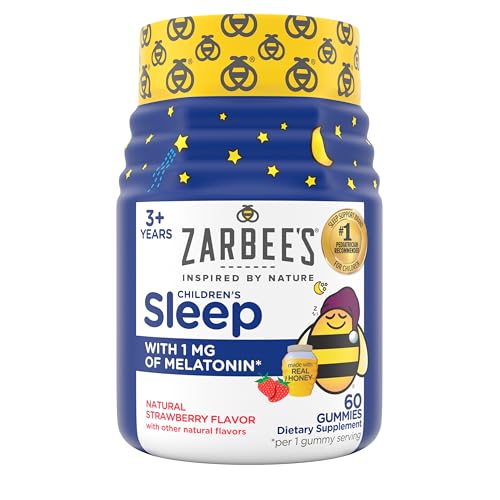
As an Amazon Associate we earn from qualifying purchases, at no cost to you.