Our Pick: Natrol
Check price on Amazon →What Is Melatonin? The Hormone, the Supplement, and What the Label Means
Melatonin is a hormone your own body makes after dark, and the bottle on the shelf is a synthetic or plant-derived copy of it sold as a dietary supplement. This page explains what that means in plain English: where the molecule comes from, why the FDA treats it differently from a sleeping pill, how to read a Supplement Facts panel, and which formats deliver which amounts. No medical advice, no invented facts, just what the labels and the named authorities actually say.
By The Melatonin Pills Desk2026-09-05~9 min read Ranked on verified label facts, never box claimsHow we research
Melatonin is a hormone made by the pineal gland, a pea-sized structure in the middle of the brain, and it is released in darkness as one of the body's signals that night has arrived. The supplement sold under the same name is a manufactured version of that molecule, produced synthetically or extracted from plant sources, and in the United States it is regulated as a dietary supplement rather than a drug. Labels phrase its purpose in structure/function language: it supports occasional sleeplessness and helps with jet lag adjustment. It is not approved by the FDA to treat, cure, or prevent any condition, and nothing on this page should be read as saying otherwise.
That regulatory line is the single most useful thing to understand about melatonin, because it explains almost everything else: why you can buy it next to the vitamins for a few dollars, why the amounts on labels range from 300 micrograms to 20 milligrams, why the same molecule is prescription-only across much of Europe, and why the phrase "talk to your doctor or pharmacist" appears on this site as often as it does. A dietary supplement is not reviewed by the FDA for safety or effectiveness before it goes on sale; the maker is responsible for the label, and the FDA acts after the fact.
The rest of this page walks through the molecule, the manufacturing, the label, the formats, and the cautions in the order a first-time buyer needs them. If you already know what melatonin is and want the practical questions, the hub links to the pages on how it works, how much the labels direct, and when to take it.
The short version
- Melatonin is a hormone the pineal gland releases in darkness; the supplement is a synthetic or plant-derived copy of the same molecule.
- In the US it is a dietary supplement under the 1994 DSHEA law, not an FDA-approved drug; in much of Europe the same molecule is prescription-only.
- Labels use structure/function language only: supports occasional sleeplessness, helps with jet lag adjustment. Nothing on a label may claim to treat a disease.
- A 2017 published analysis found melatonin content in supplements ranging from far below to several times above the label, which is why a USP or third-party verified mark is worth noticing.
- Amounts sold range from 300 mcg (0.3 mg) to 20 mg; many sleep clinicians favor starting at the low end, and a doctor or pharmacist decides what is appropriate for you.
Our top-rated melatonin
Whatever you decide, these are the picks we recommend across every format, ranked on verified label facts and cost per night. Live price check on each.


As an Amazon Associate we earn from qualifying purchases, at no cost to you.
The bedtime kit
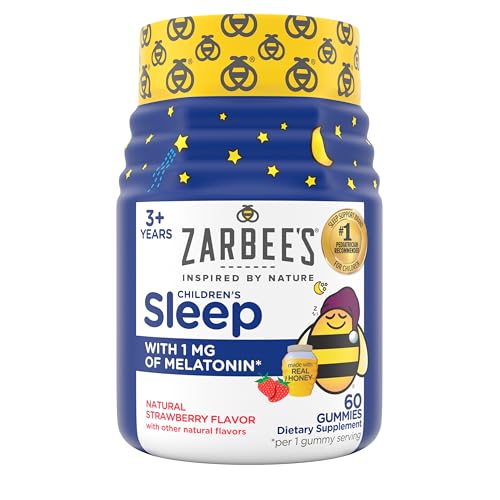
The six things that round out a melatonin routine: the standard fast-dissolve, a sub-milligram option, a time-release tablet for staying asleep, a magnesium for melatonin-free nights, a bedtime tea, and a kids bottle. Prices are approximate at time of writing.


The short answer: a hormone your body already makes
Melatonin (the chemical name is N-acetyl-5-methoxytryptamine) is produced from the amino acid tryptophan, by way of serotonin, inside the pineal gland. Its release is gated by light: the retina reports ambient brightness to a cluster of cells in the hypothalamus called the suprachiasmatic nucleus, which acts as the body's master clock, and that clock tells the pineal gland to start releasing melatonin as the evening darkens. Levels climb through the evening, peak in the middle of the night, and fall toward morning. Researchers sometimes call it the hormone of darkness for exactly this reason: it is a signal that it is night, not a sedative in the way a sleeping drug is.
This is why bright screens and overhead lighting late in the evening matter so much in every sleep-hygiene guide you have ever read. Light, and blue-shifted light in particular, suppresses the body's own melatonin release. The supplement does not switch the pineal gland on or off; it adds a measured amount of the same molecule from outside, on a schedule you choose, which is why timing matters as much as the number on the label. The how melatonin works page goes deeper on the clock and the receptors.
Where supplement melatonin comes from
Early melatonin supplements were extracted from animal pineal tissue, and that is one reason older references carry warnings about contamination. That era is over. The melatonin in every product in our catalog is either synthesized in a laboratory, which yields a molecule chemically identical to the one your body makes, or extracted from plant sources, which some makers market as "phytomelatonin" or "plant-based." Labels that say vegan or vegetarian are usually telling you two things: the melatonin is not animal-derived, and the capsule or gummy contains no gelatin. NOW Melatonin 3 mg veg capsules, at $4.27 for 60 (verified via the Amazon Creators API on September 5, 2026), is a typical example of the vegetarian-capsule format.
Because it is a supplement, the manufacturing standard that applies is the FDA's current good manufacturing practice rule for dietary supplements, not the stricter drug rule. Reputable makers go further and pay for third-party verification: a USP Verified mark, an NSF mark, or a similar seal means an outside lab has checked that the bottle contains what the label says. That matters more for melatonin than for most supplements. A 2017 analysis published in the Journal of Clinical Sleep Medicine tested 31 melatonin products and found actual melatonin content ranging from 83 percent below the labeled amount to 478 percent above it, with several products also containing measurable serotonin. Where a listing states a verification mark, we point it out; where it does not, we say so.
Supplement, not drug: what the FDA status actually means
In the United States melatonin is sold under the Dietary Supplement Health and Education Act of 1994. Under that law the FDA does not review a supplement for safety or effectiveness before it is marketed; the maker is responsible for the product and its label, and the FDA can act once a product is on the market if it proves unsafe or mislabeled. That is why every bottle carries the standard sentence: "These statements have not been evaluated by the Food and Drug Administration. This product is not intended to diagnose, treat, cure, or prevent any disease." We repeat it on every product page because it is true, not because it is boilerplate.
The same molecule is treated very differently elsewhere. In the United Kingdom and much of the European Union melatonin is a prescription medicine, and the licensed product there is a 2 mg prolonged-release tablet indicated for adults over 55. Australia moved a low-dose form to pharmacy-only status. None of those countries changed the chemistry; they drew the regulatory line in a different place. For an American buyer the practical consequence is that the label's directions and cautions are the maker's, the amounts are the maker's, and the person qualified to say whether melatonin belongs in your routine, at what amount, and alongside which medications, is a doctor or pharmacist.
How to read a melatonin label
Every melatonin product carries a Supplement Facts panel, and four lines on it decide what you are actually buying. First, the serving size: gummies in particular are often labeled per two gummies, so a "10 mg" jar may deliver 5 mg per piece. Second, the amount per serving, which is printed in milligrams (mg) or micrograms (mcg); 1 mg equals 1,000 mcg, so a 300 mcg capsule is 0.3 mg, a tenth of a 3 mg tablet. Third, the other ingredients line, which is where sugar, sugar alcohols, gelatin, colors and flavors live. Fourth, the directions, which tell you the timing the maker intends: fast-dissolve and liquid labels commonly direct use 20 to 30 minutes before bedtime, and time-release labels describe a release over several hours.
Blends add a fifth line. A product like OLLY Sleep lists 3 mg of melatonin alongside L-theanine and botanicals, at $16.35 for 70 gummies (verified via the Amazon Creators API on September 5, 2026); the panel tells you the amount of each. Read the whole panel before comparing prices, because a cost-per-night figure only means something when the amount per serving is the same on both sides. Our dosage chart lays out what the labels in our catalog state, format by format.
The formats, and what each one is for
One molecule, a dozen delivery forms. The table below is the quick orientation; each format has its own ranked guide in the best melatonin hub. Amounts are the labeled amounts on the catalog products we link, and timing is how the labels phrase it, not a recommendation.
| Format | Labeled amounts in our catalog | How labels describe use | Typical example |
|---|---|---|---|
| Tablets and capsules | 300 mcg to 20 mg | Swallowed with water before bedtime | Nature Made 3 mg, 120 tablets, $7.45 |
| Fast-dissolve | 1 mg to 12 mg | Dissolves in the mouth, commonly directed 20 minutes before bedtime | Natrol 5 mg Fast Dissolve, 90 count, $8.96 |
| Time-release | 300 mcg to 10 mg | Marketed to release over several hours; not chewed or crushed | Nature Made 4 mg Extended Release, 90 count, $7.69 |
| Gummies | 1.5 mg to 10 mg per serving (read the serving size) | Chewed; often two gummies per serving | Nature Made 2.5 mg gummies, 80 count, $8.59 |
| Liquids and sprays | 1 mg to 10 mg per serving | Measured by dropper or pump; commonly directed 20 to 30 minutes before bedtime | Natrol Liquid 1 mg, 2 fl oz, $7.79 |
| Low dose and kids | 0.25 mg to 1 mg | Kids labels state an age range; a pediatrician decides | Life Extension 300 mcg, 100 capsules, $7.50 |
Prices are the live Amazon price verified via the Amazon Creators API on September 5, 2026 and should be treated as hedged. The format question that comes up most is speed versus duration: immediate-release forms are about falling asleep, and time-release forms are marketed for staying asleep. We say marketed for, because the format claim on the box is the maker's, and the how long melatonin lasts page explains what is actually known.
What melatonin is not
It is not a sedative-hypnotic. Prescription sleep drugs and the over-the-counter antihistamine sleep aids (doxylamine, diphenhydramine) work by different mechanisms, carry a Drug Facts label rather than a Supplement Facts panel, and are regulated as drugs. Melatonin is a timing signal; many people describe the effect as a gentle nudge rather than a knockout, and the published literature describes modest average effects on how long it takes to fall asleep. It is also not a vitamin, despite sharing a shelf with them: your body makes it, and taking more than your body needs does not build a reserve.
It is not proven to work better at higher amounts. This is the misconception that does the most damage. Amounts sold on Amazon run from 300 micrograms to 20 milligrams, a nearly seventy-fold range, and higher amounts are associated with the complaint owners report most often: next-day grogginess. Many sleep clinicians favor the lowest effective amount, often cited as 0.5 to 3 mg, and we report that as general guidance, not a prescription. The how much melatonin page covers the reasoning and what the labels direct.
Who should ask before buying
Four groups should talk to a professional before the first serving, and the labels themselves say so. Children: the American Academy of Pediatrics advises talking to a pediatrician before giving melatonin, keeping gummies out of reach, and using the lowest amount. Pregnancy and nursing: consult a doctor; we make no product recommendation. Anyone on medication: melatonin can interact with blood thinners, immunosuppressants, blood-pressure medication and diabetes medication, so ask a pharmacist. Older adults: lower amounts are often favored and next-day grogginess is the common complaint. And nobody should drive after taking it.
Two safety pages go deeper: melatonin side effects lists what the NIH and the labels describe, and is melatonin safe for kids covers the pediatric guidance and the poison-control numbers that made child-resistant packaging a real buying criterion. Read those before the ranked guides, not after.
Ready to buy? Start with our top picks
Whatever this guide steered you toward, here's where most readers land, ranked on verified label facts and value. Live price check on each.
As an Amazon Associate we earn from qualifying purchases, at no cost to you.
Key terms
- Pineal gland
- The small gland in the center of the brain that makes and releases melatonin in response to darkness, under the direction of the body's master clock in the hypothalamus.
- Circadian rhythm
- The roughly 24-hour internal cycle that governs sleep and wake timing. Melatonin is one of its main nighttime signals, which is why the supplement is described as a timing aid rather than a sedative.
- Dietary supplement (DSHEA)
- The US legal category melatonin is sold under. The FDA does not review supplements for safety or effectiveness before sale; the maker is responsible for the product and its label.
- Structure/function claim
- The only kind of claim a supplement label may make: a statement about supporting normal function ("supports occasional sleeplessness") rather than treating a disease. Every such claim must carry the FDA disclaimer.
- mg vs. mcg
- Milligrams and micrograms. 1 mg = 1,000 mcg. A 300 mcg capsule is 0.3 mg, a tenth of a 3 mg tablet; reading the unit is the first step in comparing two labels.
- USP Verified / third-party tested
- A mark stating an independent lab checked that the product contains what the label says. Meaningful for melatonin because published analyses have found wide gaps between labeled and actual content.
Questions, answered
Is melatonin a drug or a supplement?
In the United States it is a dietary supplement, regulated under the Dietary Supplement Health and Education Act of 1994. The FDA does not approve supplements before sale and has not approved melatonin to treat any condition, which is why labels carry the standard disclaimer. In the United Kingdom and much of the European Union the same molecule is a prescription medicine. The chemistry is identical; the regulatory line is drawn in different places.
Is supplement melatonin the same as the melatonin my body makes?
Chemically, yes. Synthetic melatonin is the same molecule, N-acetyl-5-methoxytryptamine, that the pineal gland produces. Plant-derived melatonin is also the same molecule, extracted rather than synthesized. What differs is the amount and the timing: the body releases small quantities on the sun's schedule, while a supplement delivers a labeled amount whenever you take it.
Does melatonin make you sleep, or just make you sleepy?
Neither, strictly. It is a signal to the body's clock that night has arrived. Many people describe a gentle drowsiness, and labels phrase the purpose as supporting occasional sleeplessness. It is not a sedative-hypnotic like prescription sleep drugs, and it is not an antihistamine like the over-the-counter sleep aids. Whether it belongs in your routine is a question for a doctor or pharmacist.
Is melatonin vegan?
The melatonin itself usually is: it is synthesized or plant-derived, not taken from animal tissue. Whether the finished product is vegan depends on the other ingredients. Gummies often use gelatin unless the label says pectin or "vegan"; softgels usually use gelatin; vegetable capsules and plain tablets usually do not. The other ingredients line on the Supplement Facts panel settles it.
Why do labels range from 300 mcg to 20 mg?
Because the maker chooses the amount and no US regulator sets a standard serving. Low-dose products (300 mcg to 1 mg) are closer to what the body itself releases at night. Higher amounts are marketed as extra or maximum strength. Many sleep clinicians favor starting low, often cited as 0.5 to 3 mg, because more is not better and higher amounts are associated with next-day grogginess. That is general guidance, not a prescription; a doctor or pharmacist decides.
How do I know a melatonin supplement actually contains what the label says?
Look for a third-party verification mark on the listing: USP Verified, NSF, or an equivalent seal means an outside lab has checked the content. A 2017 analysis of 31 products found actual melatonin ranging from 83 percent below to 478 percent above the label, so the mark is not decoration. Where a listing in our catalog states a mark, we say so; where it does not, we say that too.
Can children take melatonin?
That is a pediatrician's call. The American Academy of Pediatrics advises talking to a pediatrician before giving melatonin to a child, using the lowest amount, and keeping gummies out of reach. US poison control centers reported a sharp rise in pediatric melatonin ingestions through the early 2020s, most of them unintentional and involving young children, which is why storage and child-resistant packaging are real buying criteria on our kids pages.
Filed under Explainer
Part of Melatonin 101
Keep reading
How Does Melatonin Work?
The clock, the receptors, and why light matters more than the number on the label.
How Much Melatonin Should I Take?
What the labels direct, what clinicians commonly favor, and why more is not better.
When to Take Melatonin
Timing by format, from fast-dissolve to time-release, as the labels phrase it.
Best Melatonin Supplements (2026)
Every format ranked on verified label facts and cost per night.