Our Pick: Natrol
Check price on Amazon →Can You Overdose on Melatonin? What Too Much Looks Like, and What to Do
Taking more melatonin than the label directs is common, rarely dangerous in the way a drug overdose is, and never harmless: the published literature has not established a lethal amount in humans, and it has documented headache, grogginess, nausea, dizziness, vivid dreams and low blood pressure at high amounts. The real overdose story is pediatric: the CDC reported in 2022 that US poison control calls about children ingesting melatonin rose 530 percent between 2012 and 2021, most of them unintentional and involving gummies. This page explains what too much looks like, what is and is not known, and what to do, with the Poison Control number where it belongs.
By The Melatonin Pills Desk2026-09-05~9 min read Ranked on verified label facts, never box claimsHow we research
You can take too much melatonin, and people do, but the published literature has not established a lethal amount in humans and serious outcomes from melatonin alone are rare in the poison-control record. That is not the same as harmless. Amounts well above what the label directs are associated with headache, next-day grogginess, nausea, dizziness, vivid dreams, irritability, and in some reports low blood pressure and drowsiness deep enough to be dangerous behind the wheel. And the record that matters most is not about adults: the CDC reported in June 2022 that calls to US poison control centers about children ingesting melatonin rose 530 percent from 2012 to 2021, that the large majority were unintentional, that most involved children five and under, and that a small number resulted in hospitalization. Gummies that look like candy are the reason storage is a safety measure.
The rest of this page separates the three questions people mean when they ask about a melatonin overdose. What does too much look like in an adult? What is actually known about a dangerous amount, and what is not? And what do you do if a child, a pet, or you have taken more than intended? The Poison Control number is 1-800-222-1222, it is free and staffed around the clock, and if the situation is a child or anything beyond mild symptoms, calling it is the first step, not the last.
Melatonin is a dietary supplement in the United States; the FDA has not evaluated the statements on any label, and nothing here diagnoses, treats, cures, or prevents anything. A doctor or pharmacist decides what amount is appropriate for you; a pediatrician decides for a child.
The short version
- No lethal amount of melatonin has been established in humans, and serious outcomes from melatonin alone are rare; that is a statement about the record, not a reassurance.
- Too much in an adult usually looks like headache, grogginess, nausea, dizziness, vivid dreams; some reports describe low blood pressure and heavy sedation.
- CDC, 2022: pediatric melatonin ingestion calls to US poison control rose 530 percent from 2012 to 2021, mostly unintentional, mostly children five and under, mostly gummies.
- Poison Control: 1-800-222-1222, free, 24 hours. Call for any child ingestion or anything beyond mild symptoms in an adult.
- Store gummies like medicine, out of sight and reach, in child-resistant packaging. The AAP says so, and the numbers say why.
Our top-rated melatonin
Whatever you decide, these are the picks we recommend across every format, ranked on verified label facts and cost per night. Live price check on each.


As an Amazon Associate we earn from qualifying purchases, at no cost to you.
The bedtime kit
The six things that round out a melatonin routine: the standard fast-dissolve, a sub-milligram option, a time-release tablet for staying asleep, a magnesium for melatonin-free nights, a bedtime tea, and a kids bottle. Prices are approximate at time of writing.


The short answer: too much is common, dangerous is rare, harmless is wrong
Three sentences cover the adult picture. Taking more melatonin than the label directs is common, because people assume a supplement scales like a painkiller and because the shelf runs from 300 micrograms to 20 milligrams with no regulator-set serving. Serious outcomes from melatonin alone are rare: the published literature has not established a lethal amount in humans, studies have administered amounts far above any label without life-threatening effects, and poison-control data show most adult exposures resolving without medical treatment. And harmless is the wrong word, because high amounts are reliably associated with the side effects owners most want to avoid, and because the sedation that a large serving can produce is dangerous in itself if the person then drives, works at height, or cares for a child.
The reason a large amount is not the emergency a sleeping-drug overdose would be is mechanism. Melatonin is a timing signal acting through a fixed number of receptors; it is not a central nervous system depressant of the kind that suppresses breathing. Once the receptors are occupied, additional melatonin stays in the blood longer rather than binding harder. The how melatonin works page covers the receptors; the practical translation is that the consequences of too much are mostly about duration and side effects, not about the collapse that the word overdose implies.
What too much looks like in an adult
The symptoms described in the literature and in consistent owner reports at amounts well above the label are the ordinary side effects turned up: headache, dizziness, nausea and stomach cramps, drowsiness that arrives too hard and lasts into the next day, vivid dreams or nightmares, irritability, and a heavy, foggy morning. Some reports describe low blood pressure, a slowed heart rate, and mild tremor. The table below groups them by how often they are described and what usually resolves them; it is a description of the record, not a prediction for any individual, and a symptom that is more than mild or that persists is a reason to call Poison Control or a doctor rather than wait it out.
| Reported at high amounts | How commonly described | Typical course, per the record | When to call |
|---|---|---|---|
| Heavy drowsiness, grogginess into the next day | Very common | Resolves as the serving clears; do not drive | If it does not lift, or if combined with alcohol or other sedatives |
| Headache, dizziness | Common | Usually mild, resolves within the day | If severe or persistent |
| Nausea, stomach cramps, diarrhea | Common, especially with gummies and sugar alcohols | Usually resolves within the day | If vomiting persists or in a child |
| Vivid dreams, nightmares | Common at high amounts | Resolves when the amount is reduced | Not an emergency; a pharmacist question |
| Low blood pressure, slowed heart rate | Less common | Described in some reports | Fainting, chest discomfort or confusion: seek care |
| Irritability, low mood, confusion | Less common | Described in some reports | If marked or persistent |
The through-line is that the fix for the ordinary cases is a lower amount, and the general guidance many sleep clinicians give is exactly that: the lowest effective amount, commonly cited as 0.5 to 3 mg. The melatonin side effects page covers the full list, and how much melatonin should I take covers why more is not better.
What is actually known about a dangerous amount, and what is not
The honest summary of the literature is that nobody has found the ceiling. Clinical studies have administered melatonin at amounts many times higher than any consumer label, for weeks at a time, and the published reports describe side effects rather than life-threatening events. Reviews of poison-control data describe the majority of adult melatonin-only exposures as managed at home without medical intervention. No lethal dose in humans has been established, and the toxicology figures that exist come from animal studies at amounts with no relationship to a bottle of gummies. That is the reassuring half.
The other half is what the record cannot say. It cannot say that very large amounts are safe over time, because the long-term studies do not exist. It cannot say what happens when melatonin is combined with alcohol, sedatives, or the medications it interacts with, because the poison-control cases that do end in hospital frequently involve a second substance. It cannot speak to people with the conditions named authorities flag, such as seizure disorders, bleeding disorders, or a transplant history. And it cannot speak for a child, for whom the amount in a handful of adult gummies is enormous relative to body size and for whom the record is worse. Amounts above 20 mg in our catalog come only from lesser-known sellers and are not something we rank; the Tier A ceiling is products like NOW Maximum Strength Melatonin 20 mg, at $14.50 (verified via the Amazon Creators API on September 5, 2026), and even that is a decision to make with a doctor before buying. The high-dose page explains why the site stops there.
The pediatric numbers, and why gummies are the problem
The CDC's Morbidity and Mortality Weekly Report for June 2022 is the document behind every storage warning on this site. It found that reports to US poison control centers of children ingesting melatonin rose 530 percent between 2012 and 2021, to more than 260,000 reports over the decade, with the steepest rise during the pandemic years. The large majority were unintentional, most involved children five and under, and most happened at home. Most children had no symptoms or mild ones, but the report documented a rise in hospitalizations and intensive-care admissions, and a small number of deaths in which melatonin was involved. Separately, a 2024 CDC report counted roughly 11,000 emergency department visits over a four-year span for unsupervised melatonin ingestions by infants and young children, with gummies the most common form involved.
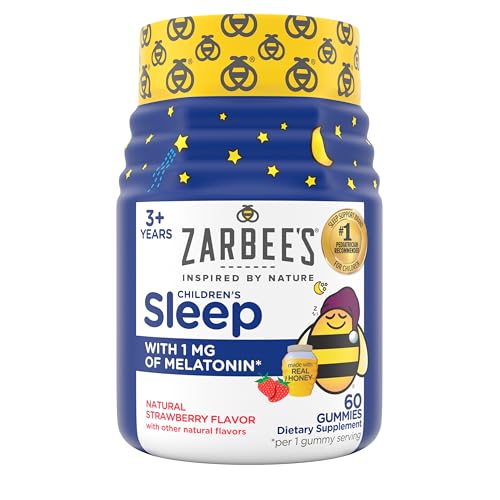
The mechanism is not chemistry; it is packaging. A jar of fruit-flavored gummies on a nightstand is candy to a three-year-old, and adult gummies at 5 or 10 mg per serving deliver, in a handful, an amount that no pediatrician would direct. The American Academy of Pediatrics advises talking to a pediatrician before giving melatonin at all, using the lowest amount, and keeping melatonin out of sight and reach like any medication. Child-resistant packaging is a real buying criterion on our kids pages, and the products we rank for children are labeled at 0.5 and 1 mg: OLLY Kids Sleep 0.5 mg, at $12.88 for 50 gummies, and Zarbee's Kids Melatonin Gummies 1 mg, at $14.98 for 60 (both verified via the Amazon Creators API on September 5, 2026), are the reference products, and even those belong in a cabinet, not on a dresser. The full guidance is on is melatonin safe for kids.
What to do if you, a child, or a pet has taken too much
An adult with mild symptoms: stop, do not take more, do not drive, and let the serving clear; immediate-release melatonin has a commonly cited half-life under an hour and is mostly gone in four to five hours, longer for high amounts and time-release. If symptoms are more than mild, if there is fainting, chest discomfort, confusion, trouble breathing, or if alcohol or other sedatives were involved, call Poison Control at 1-800-222-1222 or seek medical care. A child: call Poison Control immediately, every time, with the container in hand. Do not induce vomiting. Follow their instructions, which will depend on the child's age, the amount per piece, and how many are missing. A pet: call a veterinarian or an animal poison control line. Some sugar-free gummies contain xylitol, which is toxic to dogs, and the xylitol may be the larger emergency.
Afterward, the question to ask is why the amount was reachable. For an adult who took too much on purpose because a serving seemed not to work, the answer is a lower amount and a conversation with a pharmacist about timing and format, not a bigger one. For a child who found the jar, the answer is storage, and it is the same answer whether the child was fine or not.
The cautions that apply before any of this happens
Melatonin can interact with blood thinners, immunosuppressants, blood-pressure medication and diabetes medication, and a pharmacist can check your list before the first serving. Do not combine it with alcohol or other sedatives; the poison-control cases that end badly frequently involve a second substance. Do not drive after taking it. Older adults are often steered toward lower amounts because melatonin is commonly described as clearing more slowly with age. Pregnant and nursing people should consult a doctor, and we make no product recommendation for them. And children need a pediatrician, a low amount, and a locked cabinet.
Melatonin is a dietary supplement in the United States. These statements have not been evaluated by the Food and Drug Administration, and no product on this site is intended to diagnose, treat, cure, or prevent any disease. Poison Control: 1-800-222-1222.
What to do if a child has ingested melatonin
- 1
Take the container away and keep it
Remove any remaining melatonin from the child's reach and keep the container; Poison Control will ask for the amount per piece, the form, and an estimate of how many are missing.
- 2
Call Poison Control: 1-800-222-1222
Call immediately, even if the child seems fine. The line is free, staffed 24 hours, and will tell you whether the child can be watched at home or needs care. Do not induce vomiting.
- 3
Give the details they ask for
The child's age and approximate weight, the product name, the melatonin per gummy or tablet as printed on the Supplement Facts panel, any other ingredients (melatonin gummies often carry other actives), and how many pieces are unaccounted for.
- 4
Follow their instructions and watch the child
Most pediatric melatonin ingestions produce no or mild symptoms, but Poison Control may ask you to watch for excessive drowsiness, vomiting, or difficulty rousing, and will tell you when to seek emergency care.
- 5
Fix the storage before the next night
Move every melatonin product, including adult gummies, out of sight and reach into child-resistant packaging or a locked cabinet. The American Academy of Pediatrics treats melatonin as medication for storage purposes, and the poison-control numbers explain why.
Ready to buy? Start with our top picks
Whatever this guide steered you toward, here's where most readers land, ranked on verified label facts and value. Live price check on each.
As an Amazon Associate we earn from qualifying purchases, at no cost to you.
Key terms
- Overdose
- Taking more than the label directs. For melatonin, the record describes side effects rather than life-threatening events in adults, no established lethal amount, and a much worse picture for unintentional pediatric ingestions.
- Poison Control (1-800-222-1222)
- The free, 24-hour US line for any unintended exposure. The first call for any child ingestion and for anything beyond mild symptoms in an adult.
- Unintentional pediatric ingestion
- A child taking melatonin they were not given, usually gummies found within reach. The category behind the CDC's 530 percent rise in poison-control reports from 2012 to 2021.
- Child-resistant packaging
- A closure designed to slow a young child's access. Not required on dietary supplements, which is why it is a buying criterion on our kids pages rather than a given.
- Xylitol
- A sugar alcohol used in some sugar-free gummies. Toxic to dogs; in a pet ingestion the xylitol can be the larger emergency than the melatonin.
Questions, answered
Can you die from taking too much melatonin?
No lethal amount has been established in humans, and serious outcomes from melatonin alone are rare in the poison-control record; the cases that end badly frequently involve very large amounts, a second substance such as alcohol or sedatives, or a child. That is a description of the record, not a reassurance. Anything beyond mild symptoms, and every child ingestion, is a Poison Control call at 1-800-222-1222.
What happens if you take 20 mg of melatonin?
Products labeled 20 mg exist from Tier A makers and direct one capsule before bedtime. At that amount the commonly reported effects are the ordinary side effects turned up: heavy drowsiness that lingers into the morning, headache, nausea, vivid dreams. It is far above what clinicians commonly favor, and a decision to make with a doctor before buying. Do not drive afterward.
What happens if you accidentally take two melatonin?
For an adult, double a labeled serving usually means a heavier morning and possibly a headache; it is not an emergency on its own. Do not take more, do not drive, and let it clear. If the product is high-amount, time-release, or was taken with alcohol or sedatives, or if symptoms are more than mild, call Poison Control. If the person is a child, call Poison Control regardless.
How much melatonin is too much?
Anything above what the label directs is more than the maker intended, and the general guidance many sleep clinicians give is the lowest effective amount, commonly cited as 0.5 to 3 mg. There is no established toxic threshold in humans, which is not the same as there being no upper limit worth respecting. A doctor or pharmacist decides what is appropriate for you; a pediatrician decides for a child.
What should I do if my child ate melatonin gummies?
Call Poison Control at 1-800-222-1222 immediately, with the container in hand, even if the child seems fine. Do not induce vomiting. Be ready to give the child's age and weight, the melatonin per gummy from the Supplement Facts panel, any other ingredients, and how many are missing. Then move every melatonin product in the house out of sight and reach.
Why did pediatric melatonin poisonings rise so much?
The CDC's 2022 report attributed the 530 percent rise from 2012 to 2021 to greater availability and use of melatonin in homes, the popularity of gummy forms that look like candy, and, in the later years, pandemic-era changes in routine. Most cases were unintentional, most involved children five and under, and most happened at home, which is why storage is the lever the American Academy of Pediatrics stresses.
Can dogs overdose on melatonin?
Melatonin is sold for dogs in calming chews, and a veterinarian decides whether and how much is appropriate for a given animal. An unintended ingestion of a human product is a call to a veterinarian or animal poison control, and the urgent question is often not the melatonin but xylitol, a sweetener in some sugar-free gummies that is toxic to dogs.
Filed under Explainer
Part of Melatonin 101
Keep reading
Is Melatonin Safe for Kids?
The AAP guidance, storage rules, and the poison-control context in full.
Melatonin Side Effects
The NIH list, which effects scale with amount, and the interactions a pharmacist checks.
How Much Melatonin Should I Take?
What labels direct, what clinicians favor, and why more is not better.
Best High-Dose Melatonin (2026)
Why the site stops at the Tier A 20 mg products, and what the labels at that amount say.