Our Pick: Natrol
Check price on Amazon →Melatonin and Vivid Dreams: Why It Happens, and What Changes It
Vivid dreams, strange dreams and the occasional nightmare are among the most discussed melatonin side effects and, by the numbers, among the less common ones: the NIH lists drowsiness, headache, dizziness and nausea as the frequent complaints, with dream changes further down. The mechanism is not settled, but the explanations the literature offers all run through REM sleep and the clock, and the pattern owners report is consistent: more at higher amounts, more with time-release, more when a serving is taken late, and less when the amount comes down. This page lays out what is described, what is hypothesized, and what changes it. No medical advice.
By The Melatonin Pills Desk2026-09-05~8 min read Ranked on verified label facts, never box claimsHow we research
Melatonin can make dreams more vivid for some people, and the honest summary is that the effect is widely reported, less common than the everyday side effects, not fully explained, and strongly associated with the amount taken. Owners describe dreams that are unusually detailed, emotionally intense, easy to remember, and sometimes unpleasant, most often at 5 to 10 mg and above, most often with time-release formats, and most often when the serving was taken late. The same owners commonly describe the dreams settling when the amount comes down, which matches the general guidance many sleep clinicians give for every other reason: the lowest effective amount, commonly cited as 0.5 to 3 mg.
Why it happens is a question the literature answers with hypotheses rather than a verdict. Melatonin is a timing signal to the body's clock, and REM sleep, the stage in which most vivid dreaming occurs, is itself under the clock's control and concentrated in the second half of the night. The explanations offered include melatonin shifting the timing or proportion of REM, melatonin from a late or slow-release serving being present during the REM-rich hours toward morning, and melatonin's role in the same brain chemistry that governs REM. Each is plausible, none is proven to be the whole story, and we say so.
Melatonin is a dietary supplement in the United States; the FDA has not evaluated the statements on any label, and nothing here diagnoses, treats, cures, or prevents anything. What follows is what is described, what is hypothesized, and what owners change, so that the conversation with a pharmacist starts from the right place.
The short version
- Vivid or strange dreams are a widely discussed but less common melatonin side effect; the NIH's frequent list is drowsiness, headache, dizziness, nausea.
- The pattern owners report: more at higher amounts, more with time-release, more with late servings, less when the amount comes down.
- The mechanism is not settled. The hypotheses all run through REM sleep and the clock: shifted REM timing or proportion, melatonin present during the REM-rich morning hours.
- Nightmares are described by a minority; if dreams are distressing, stop and talk to a doctor, especially with any history of a sleep or mood condition.
- The changes owners describe: a lower amount, immediate-release instead of time-release, the label's lead time before a consistent bedtime.
Our top-rated melatonin
Whatever you decide, these are the picks we recommend across every format, ranked on verified label facts and cost per night. Live price check on each.


As an Amazon Associate we earn from qualifying purchases, at no cost to you.
The bedtime kit
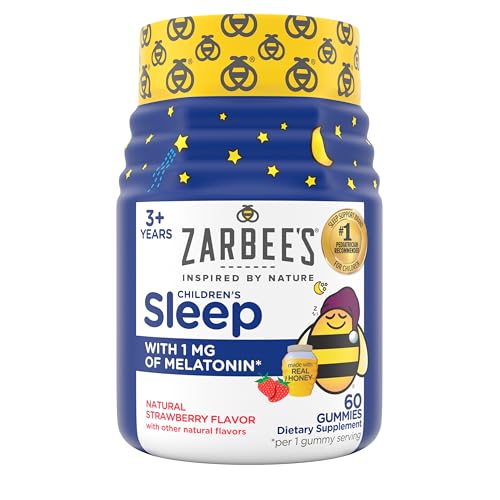
The six things that round out a melatonin routine: the standard fast-dissolve, a sub-milligram option, a time-release tablet for staying asleep, a magnesium for melatonin-free nights, a bedtime tea, and a kids bottle. Prices are approximate at time of writing.


The short answer: reported, less common, and tied to the amount
Three facts, in order of how well established they are. First, dream changes are a real reported side effect: vivid dreams and nightmares appear in the published safety literature on melatonin and in the consistent testimony of owners, and they are common enough that the question ranks near the top of what people search. Second, they are less common than the everyday side effects: the NIH's National Center for Complementary and Integrative Health lists drowsiness, headache, dizziness and nausea as the frequent complaints, and dream changes sit further down. Third, the reports track the amount. Owners describing vivid dreams are overwhelmingly at 5 to 10 mg and above; owners describing dreams that settled are overwhelmingly describing a lower amount, and that is the single most useful pattern on this page.
What owners describe is fairly specific: dreams that are longer, more detailed and more emotionally charged than usual, unusually easy to remember on waking, sometimes pleasant, sometimes not, and occasionally intense enough to wake them. A minority describe outright nightmares. Very few describe the dreams as a reason to stop entirely; most describe them as a reason to take less. The melatonin side effects page places the report in the full list.
What the literature offers: REM, the clock, and three hypotheses
Most vivid dreaming happens in REM sleep, and REM is concentrated in the second half of the night, with periods that lengthen toward morning. REM timing is under the control of the same master clock that melatonin signals. From those facts the literature offers three overlapping explanations, none proven to be the whole story. Shifted REM. Melatonin's clock-shifting property may change when REM periods occur or how much of the night they occupy; some studies have described changes in REM with melatonin, and more REM, or REM at a different hour, means more dreaming and more dreaming that is remembered. Melatonin present during REM. A late serving, a high amount, or a time-release tablet places melatonin in the blood during the REM-rich hours toward morning, when the body's own melatonin would already be falling; the literature associates that overlap with the dream reports, which would explain why amount, format and timing all matter. Shared chemistry. Melatonin is made from serotonin, and the brain chemistry that governs REM overlaps with the chemistry melatonin sits in; this is the least direct explanation and the least tested.
What is not in the literature is any evidence that vivid dreams from melatonin are harmful in themselves. They are a side effect in the ordinary sense, unwelcome for some people and neutral or even enjoyable for others, and the literature treats them that way. The how melatonin works page covers the clock and the receptors; the practical translation is that anything that keeps melatonin around into the REM-rich morning hours is the thing to change.
Which amounts, formats and timings the reports track
| Factor | How the dream reports track it | Why (per the hypotheses) | The change owners describe |
|---|---|---|---|
| Amount | Strongly: far more reported at 5 to 10 mg and above than at 0.5 to 3 mg | A higher serving is present longer, including during the REM-rich morning hours | A lower amount; many clinicians favor 0.5 to 3 mg as general guidance |
| Time-release format | More reported than immediate-release at the same amount | Engineered to keep releasing for hours; the tail overlaps late REM | Immediate-release, or a low-amount timed-release |
| Late serving | More reported after a serving past midnight or after a night waking | Fewer hours between the serving and the morning REM periods | The label's lead time before a consistent, earlier bedtime; no second serving |
| Alcohol the same evening | More reported, and more unpleasant | Alcohol suppresses REM early and produces REM rebound late; melatonin overlaps the rebound | Labels say not to combine |
| New user | More reported in the first nights | Not explained; owners commonly describe it settling | Give it a few nights at a low amount before judging |
The through-line matches the rest of this site: the low-dose, immediate-release, well-timed serving is the one with the fewest complaints of every kind, dreams included. Life Extension Melatonin 500 mcg, at $13.50 (verified via the Amazon Creators API on September 5, 2026), and Natrol Melatonin 1 mg Fast Dissolve, at $6.97 for 90 tablets, are the shape of that choice; the ranked guide is best low-dose melatonin.
Nightmares, and when the dreams are the problem
A minority of owners describe not vivid dreams but distressing ones, and that is a different situation with a different answer. Nightmares that are new, frequent, or upsetting enough to affect the day are a reason to stop and talk to a doctor rather than a reason to adjust the amount on your own, and that is especially true for anyone with a history of a sleep condition, a mood condition, or post-traumatic stress, all of which appear in the caution lists of named authorities as conditions to discuss before use. Melatonin is not approved to treat or known to cause any of them; it is a substance that touches the same machinery, and a doctor who knows the history is the person to weigh it.
For the ordinary case, the vivid-but-not-distressing dream, the answer owners describe is the one above: less, earlier, immediate-release. The how much melatonin should I take page covers the reasoning and what the labels direct, and a pharmacist can help choose a lower product. Children who report bad dreams on melatonin are a pediatrician's conversation, every time; the is melatonin safe for kids page carries the guidance.
What owners change, and what they describe after
The testimony is consistent enough to summarize. Owners who dropped from 10 mg to 3 mg, or from 5 mg to 1 mg, most often describe the dreams returning to normal within a few nights, sometimes with a note that sleep itself was no worse at the lower amount, which matches the published finding that larger amounts have not generally outperformed smaller ones on the outcomes studied. Owners who switched from time-release to immediate-release describe the same. Owners who moved the serving earlier and stopped taking a second one after a night waking describe the same. The minority who changed all three and still had vivid dreams mostly describe deciding the dreams were tolerable, or stopping melatonin, and both are reasonable.
A few owners describe the opposite preference: they take melatonin partly because the dreams are vivid and enjoyable. That is not a use any label describes and not one this site endorses, and the reasons are the ones on every other page: higher amounts carry more of every side effect, including the grogginess the melatonin hangover page covers, and long-term safety data at those amounts are thin. The general guidance is the same regardless of what you think of the dreams.
The cautions
Do not drive after taking melatonin, and a night of intense dreaming is often a night of lighter, more fragmented sleep, which is its own reason for caution the next morning. Melatonin can interact with blood thinners, immunosuppressants, blood-pressure medication and diabetes medication; a pharmacist can check your list. Do not combine it with alcohol, which is the combination most associated with unpleasant dreams. Children need a pediatrician, pregnant and nursing people need a doctor and we make no product recommendation for them, and older adults are often steered toward lower amounts.
Melatonin is a dietary supplement in the United States. These statements have not been evaluated by the Food and Drug Administration, and no product on this site is intended to diagnose, treat, cure, or prevent any disease. If dreams are distressing, the answer is a doctor, not a smaller gummy.
Ready to buy? Start with our top picks
Whatever this guide steered you toward, here's where most readers land, ranked on verified label facts and value. Live price check on each.
As an Amazon Associate we earn from qualifying purchases, at no cost to you.
Key terms
- REM sleep
- The sleep stage in which most vivid dreaming occurs, concentrated in the second half of the night with periods that lengthen toward morning. Every hypothesis about melatonin and dreams runs through it.
- Dream recall
- Remembering dreams on waking. Part of what owners describe as vivid dreams is not different dreaming but better recall, which lighter or interrupted sleep tends to produce.
- REM rebound
- A surge of REM late in the night after something suppressed it earlier. The mechanism behind the unpleasant dreams reported when melatonin and alcohol are combined.
- Amount-dependent
- A side effect reported more at higher amounts. Vivid dreams are the clearest example among melatonin's side effects, and the reason a lower amount is the change owners describe.
- Hypothesis vs. finding
- The literature offers explanations for melatonin and dreams; it has not settled on one. This page labels the difference and does not present a hypothesis as a verdict.
Questions, answered
Does melatonin cause vivid dreams?
For some people, yes. Vivid dreams and occasional nightmares are a reported melatonin side effect, less common than drowsiness, headache, dizziness and nausea but widely discussed. The reports track strongly with the amount: far more at 5 to 10 mg and above than at 0.5 to 3 mg, more with time-release formats, and more with late servings. Owners most often describe the dreams settling when the amount comes down.
Why does melatonin give you weird dreams?
The mechanism is not settled. The explanations the literature offers all run through REM sleep, the stage in which most vivid dreaming happens: melatonin may shift REM timing or proportion, a high or slow-release or late serving may be present during the REM-rich morning hours, and melatonin sits in the same brain chemistry that governs REM. Each is plausible; none is proven to be the whole story.
How do I stop melatonin dreams?
Owners describe three changes: a lower amount (many clinicians favor 0.5 to 3 mg as general guidance), immediate-release instead of time-release, and the label's lead time before a consistent bedtime with no late second serving. Not combining it with alcohol is a fourth. A pharmacist can help choose a lower product. If the dreams are distressing rather than merely vivid, stop and talk to a doctor.
Does melatonin cause nightmares?
A minority of owners describe distressing dreams rather than vivid ones, and nightmares appear in the published side-effect literature. New, frequent or upsetting nightmares are a reason to stop and talk to a doctor, especially for anyone with a history of a sleep, mood or post-traumatic condition. Melatonin is not approved to treat or known to cause those conditions; a doctor who knows the history weighs it.
Does the dose of melatonin affect dreams?
It is the factor the reports track most strongly. Vivid dreams are far more often described at 5 to 10 mg and above than at 0.5 to 3 mg, and owners who reduced the amount most often describe the dreams returning to normal within a few nights, frequently with sleep no worse at the lower amount. A doctor or pharmacist decides what amount is appropriate for you.
Do melatonin dreams go away?
New users commonly describe the dreams settling after the first nights, and owners who lowered the amount, switched to immediate-release, or moved the serving earlier describe them settling as well. Owners who changed all three and still had vivid dreams mostly describe deciding they were tolerable or stopping melatonin, and both are reasonable.
Is it bad to have vivid dreams from melatonin?
There is no evidence in the literature that vivid dreams from melatonin are harmful in themselves; they are a side effect in the ordinary sense, unwelcome to some and neutral to others. What warrants attention is distressing dreams, which are a doctor's conversation, and the lighter, more fragmented sleep that often accompanies a night of intense dreaming, which is a reason not to drive if the morning feels heavy.
Filed under Explainer
Part of Melatonin 101
Keep reading
Melatonin Side Effects
The NIH list, where dream changes sit in it, and which effects scale with amount.
Melatonin Hangover and Grogginess
The other complaint that tracks with amount, format and timing.
How Much Melatonin Should I Take?
What labels direct, what clinicians favor, and why less is the usual fix.
Best Low-Dose Melatonin (2026)
The products with the fewest complaints of every kind, ranked.